
A US raid in Syria last October mistakenly killed a man who had been working undercover gathering intelligence on Islamic State (IS) militants, according to family members and Syrian officials. The operation, carried out by US forces alongside a local Syrian group, had aimed to capture an IS official but instead killed Khaled al-Masoud, who was spying on the extremists for the interim government of President Ahmad al-Sharaa.
The incident highlights the complexities of US cooperation with Syria's new administration, which took power after the fall of Bashar Assad. Neither Washington nor Damascus has publicly commented on al-Masoud's death, suggesting both sides wish to avoid damaging their improving relationship. Weeks after the raid, al-Sharaa visited Washington and announced Syria would join the global coalition against IS.
Al-Masoud, a father of five, had infiltrated IS in the southern Syrian desert known as the Badiya, a region where remnants of the extremist group remain active. His family and Syrian security officials confirmed he worked for the General Security force under the Interior Ministry, focusing on combating IS. The Soufan Center's Wassim Nasr described the killing as a potential setback for anti-IS efforts, attributing it to a lack of coordination between the coalition and Damascus.
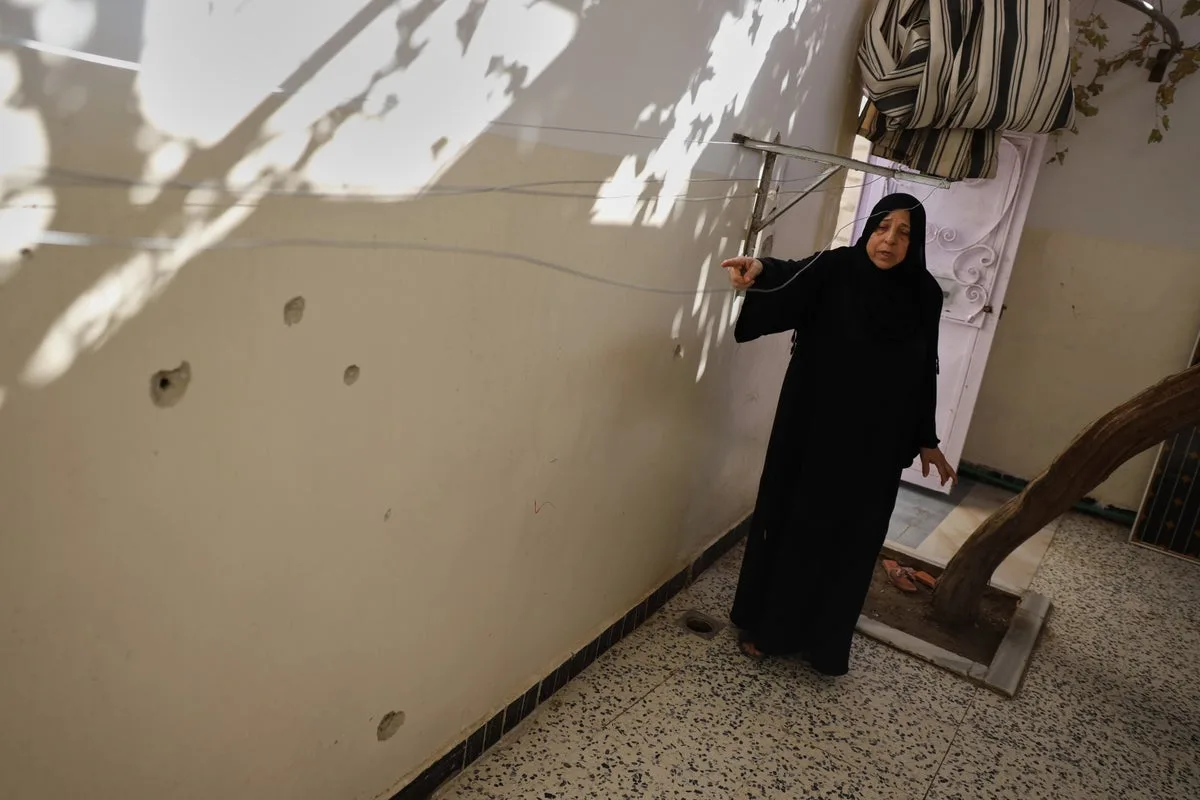
The raid took place in Dumayr, east of Damascus, at around 3 a.m. Residents reported seeing US Humvees and hearing aircraft. Al-Masoud's mother, Sabah al-Sheikh al-Kilani, said forces surrounded her son's home, broke down the door, and shot him despite him identifying himself as a security official. He was taken away wounded and later died; the family was called to collect his body. Al-Masoud's cousin Abdel Kareem Masoud said a soldier with broken Arabic ordered them back inside at gunpoint.
Al-Masoud's family believes faulty intelligence from the Syrian Free Army, a US-trained faction now under the Syrian Defence Ministry, led to the fatal error. The SFA did not respond to requests for comment. US Central Command, which usually announces operations against IS, made no statement about the raid. A US defence official said only that they were aware of the reports but had no information to provide.




