A United States Navy surveillance aircraft has been tracked conducting operations near the coastline of Mexico, in a move that follows stark warnings from President Donald Trump about potential military intervention against the country's powerful drug cartels.
Surveillance Flight Over Pacific Waters
The P-8 Poseidon maritime patrol jet was identified on flight tracking platforms performing reconnaissance circuits off the coast of Tijuana, directly south of California, and further along the Pacific shoreline. The aircraft, which departed from Naval Air Station Whidbey Island in Washington state, traversed Oregon and California before commencing its mission.
According to reports, the plane operated in areas encompassing territorial waters and exclusive economic zones adjacent to San Diego and Tijuana, extending approximately 352 miles westward into the Pacific Ocean. It performed multiple loops near Baja California and Ensenada before returning to its base. The P-8 Poseidon is equipped with advanced sensors designed to detect surface and subsurface maritime activity, commonly used to monitor suspicious vessels.

Trump's Stark Warning to Mexico
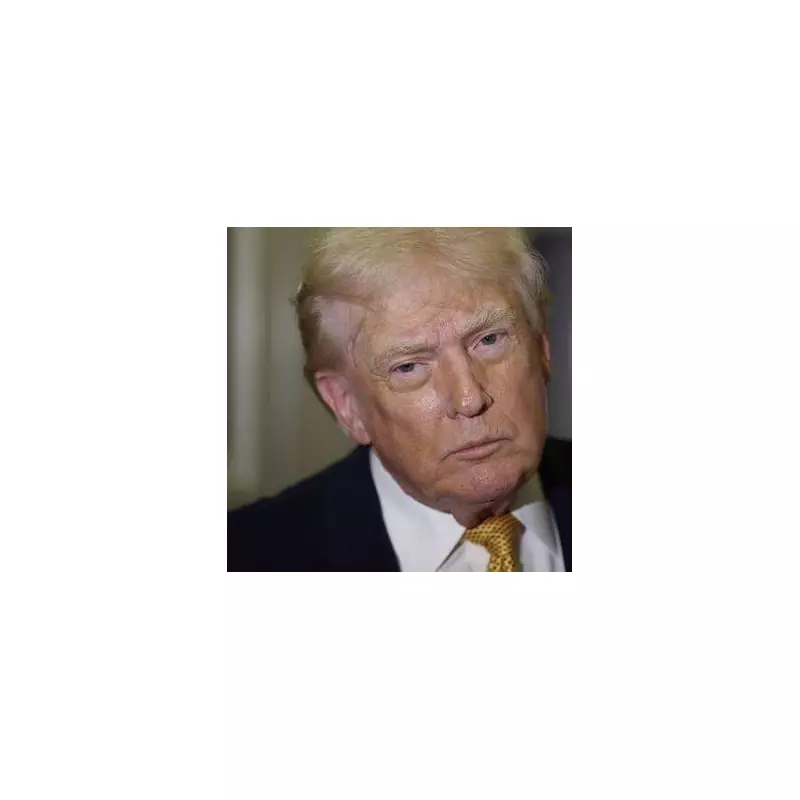
The flight comes in the wake of direct threats from President Trump aimed at the Mexican government. In November, he instructed Mexican President Claudia Sheinbaum to dismantle narcotics operations within the country, hinting at the possibility of US military action if she failed to do so.
"Would I launch strikes in Mexico to stop drugs? It's OK with me. Whatever we have to do to stop drugs," Trump stated. "I didn't say I'm doing it, but I'd be proud to do it. Because we're going to save millions of lives by doing it." He has repeatedly asserted that "the cartels are running Mexico, whether you like it or not," and suggested an intervention similar to the recent US operation in Venezuela could be considered.
International Backlash at the United Nations
The development coincides with significant international criticism of Trump's foreign policy actions. Allies and adversaries alike used an emergency meeting of the UN Security Council to voice opposition to the US military operation that led to the capture of Venezuelan leader Nicolás Maduro.
Countries expressed concern that Trump's comments signalled a potential expansion of military action to other nations, including Colombia and Mexico, under the pretext of combating drug trafficking. France's deputy ambassador to the UN, Jay Dharmadhikari, argued that the Venezuela operation ran "counter to the principle of non-use of force" and that violations by permanent Security Council members erode the "very foundation of the international order."
In response, US envoy and former Trump national security adviser Mike Waltz defended the Venezuela mission as a "surgical law enforcement operation." UN Secretary-General Antonio Guterres stated he was "deeply concerned that rules of international law have not been respected" and warned the US action could set a dangerous precedent for international relations.
While it remains unconfirmed if the P-8 Poseidon flight on 5 January 2026 was directly linked to the President's threats, its timing and location have intensified scrutiny on the escalating rhetoric between Washington and Mexico City over the entrenched issue of drug cartel violence.