Federal authorities in the United States have charged a Chinese national, residing in the country on a research visa, with allegedly smuggling a dangerous strain of Escherichia coli (E. coli) bacteria into the nation and lying about it.
Details of the Alleged Smuggling Operation
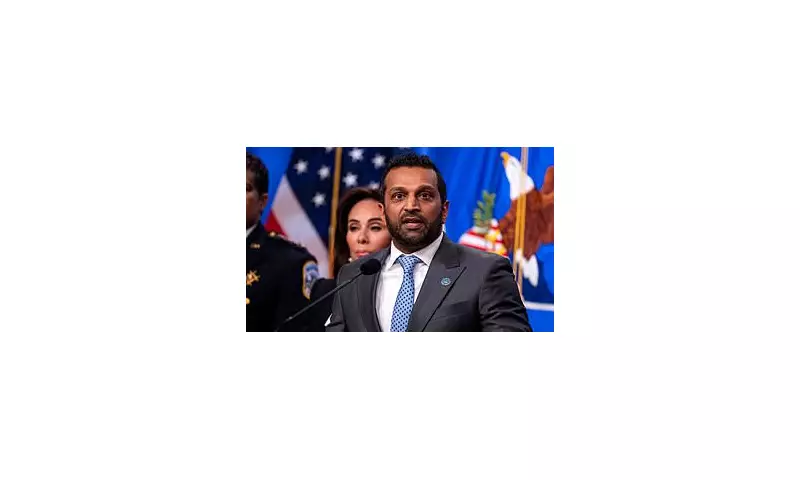
FBI Director Kash Patel announced the charges on Friday against Youhuang Xiang, a post-doctoral researcher working under a J-1 exchange visitor visa. The J-1 programme allows international candidates to participate in work and study initiatives in the US. Patel stated that Xiang was charged with smuggling the bacteria and making false statements regarding the material.
In a post on the social media platform X, Patel framed the incident as part of a troubling pattern. 'This is yet another example of a researcher from China - given the privilege to work at a U.S. university - who then allegedly chose to take part in a scheme to circumvent U.S. laws,' he wrote. The FBI has not disclosed the intended destination or purpose for the smuggled bacteria, but Patel thanked FBI field offices in Indianapolis and Chicago for their work on the case.

The Broader Threat to Biosecurity and Economy
While the specific strain of E. coli involved remains unknown, the FBI emphasised the severe risks such actions pose. 'If not properly controlled, E. coli and other biological materials could inflict devastating disease to U.S. crops and cause significant financial loss to the U.S. economy,' Patel warned. He linked this case to another from November, where three Chinese nationals in Michigan were charged with similar biological materials smuggling offences.
E. coli, a common bacterium used extensively in legitimate scientific research due to its low cost and genetic malleability, can be deadly in certain forms. Public health data indicates roughly 75,000 to 90,000 Americans are exposed to pathogenic E. coli annually, resulting in about 100 deaths, typically from contaminated food.
Visa Scrutiny and a Call for Vigilance
The case has cast a spotlight on the J-1 visa programme, which brings around 300,000 foreign visitors to the US each year for roles ranging from au pairs to research scholars. The exact status and category of Xiang's visa were not immediately released.
Director Patel issued a direct call to action for academic institutions, urging university compliance departments to be vigilant. He stressed there is a legal process for importing approved biological materials that must be followed without exception. 'The FBI will not tolerate any attempt to exploit our nation’s institutions for illegal activity,' he asserted, reaffirming the agency's commitment to enforcing laws designed to protect the homeland from such threats.
The Daily Mail reported that attempts to reach Xiang for comment were unsuccessful.