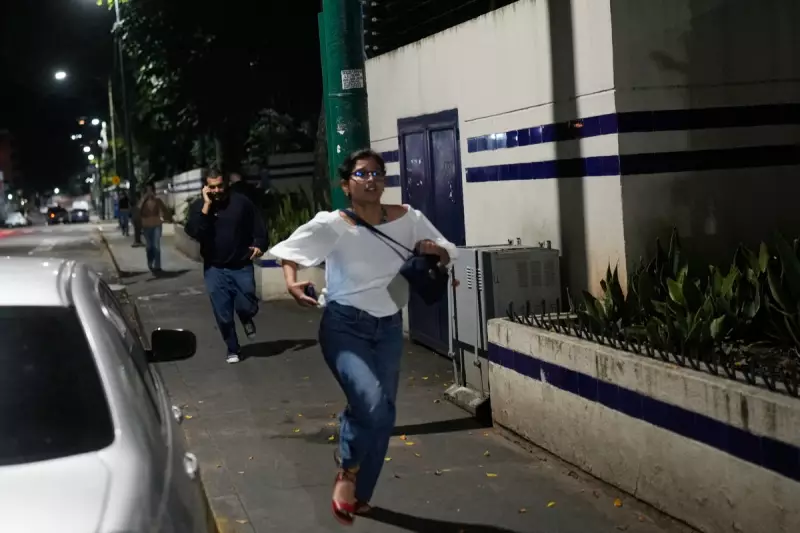
The United States has launched a dramatic large-scale military attack on Venezuela, resulting in the capture of the country's president, Nicolás Maduro. The operation, confirmed by President Donald Trump in the early hours of 3 January 2026, marks a violent climax to a year of escalating tensions and a sustained US campaign targeting vessels allegedly smuggling narcotics.
A Timeline of Escalation: From Executive Orders to Airstrikes
The path to open conflict was paved throughout 2025. In January 2025, President Trump signed an executive order allowing criminal organisations to be designated as "foreign terrorist organisations." This label was soon applied to eight Latin American crime rings, including Venezuela's Tren de Aragua gang, despite US intelligence disputing claims of official collaboration with Maduro's government.
By August 2025, a significant US military build-up was underway. The deployment grew to include guided-missile destroyers, amphibious assault ships, F-35 fighter jets in Puerto Rico, and a submarine, ultimately involving around 15,000 personnel—the largest such force in the region in generations.

The Caribbean Campaign: A Series of Lethal Strikes
The first kinetic strike occurred in September 2025, with Trump announcing an attack on a boat he claimed was operated by Tren de Aragua, killing 11. This began a relentless series of maritime assaults. Defence Secretary Pete Hegseth became the primary announcer of these operations, which quickly expanded from the Caribbean to the eastern Pacific.
By late December, the US military had conducted at least 30 strikes on suspected drug-trafficking vessels. The campaign resulted in more than 100 casualties, according to Associated Press tallies. Each strike was justified by the administration as targeting "unlawful combatants" in an "armed conflict" against drug cartels, a designation formalised in October. However, the legality was repeatedly questioned by senators and human rights groups, with UN human rights chief Volker Türk calling for an investigation.
Final Moves and the Capture of a President
Despite the olive branch extended by Maduro in a New Year's Day broadcast—where he proposed "serious talks" and offered US companies access to oil—the situation deteriorated rapidly. In the early hours of 3 January 2026, Caracas was shaken by at least seven explosions, with attacks reported on civilian and military sites in the capital and surrounding states.
President Trump announced the operation on Truth Social, stating, "The United States of America has successfully carried out a large scale strike against Venezuela and its leader, President Nicolas Maduro, who has been, along with his wife, captured and flown out of the Country." Venezuela condemned the act as "military aggression" aimed at seizing its vast oil and mineral reserves, echoing Maduro's longstanding accusations about US motives.
This decisive action followed months where Trump openly authorised CIA covert operations inside Venezuela and contemplated land operations, while Senate Republicans voted down legislation that would have required congressional authorisation for such an attack on Venezuelan soil.