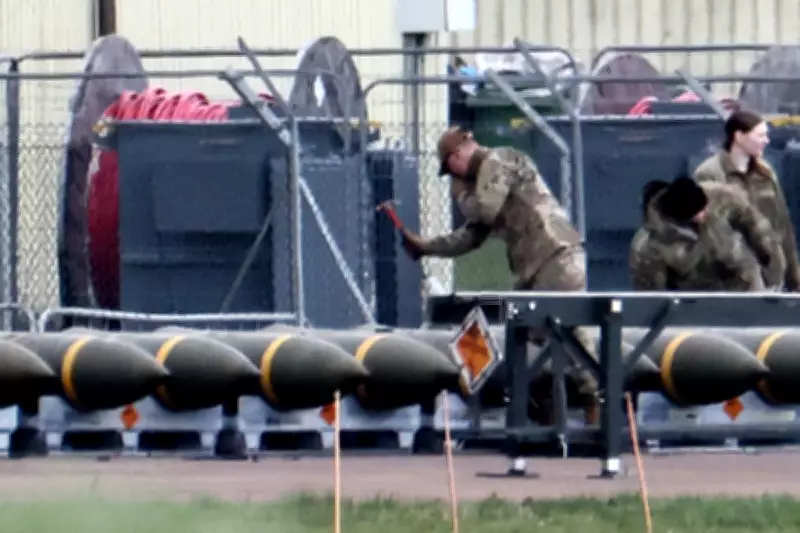
The Trump administration is reportedly initiating discussions with leading US automakers and manufacturers to leverage their industrial capabilities for producing military equipment. This strategic move comes as ongoing conflicts in Iran and Ukraine continue to rapidly deplete American defence stockpiles, raising urgent concerns about national security readiness.
Direct Outreach to Industry Leaders
According to exclusive reporting from The Wall Street Journal, defence officials have engaged in preliminary conversations with top executives at General Motors, Ford, GE Aerospace, and machinery manufacturer Oshkosh. The discussions centre on potentially converting automotive production facilities to manufacture essential military gear and munitions.
Wartime Manufacturing Footing
Oshkosh Corporation, based in Wisconsin, confirmed it began dialogue with Pentagon representatives as early as November, preceding the outbreak of the Iran conflict. This proactive engagement responded directly to Defense Secretary Pete Hegseth's public call to place US military manufacturing on what he termed a "wartime footing."

"We've been out looking at capabilities that we think fit their needs, just proactively," stated Oshkosh chief growth officer Logan Jones in an interview. "We've heard it loud and clear that this is important."
Historical Precedent and Current Contracts
The reported initiative bears striking resemblance to the massive industrial mobilisation during World War II, when Detroit automakers famously retooled their assembly lines to produce tanks, aircraft, and other critical military hardware. This historical parallel underscores the scale of the current challenge facing US defence planners.
Several companies already maintain existing defence manufacturing relationships. Oshkosh and a GM subsidiary currently produce military vehicles, while GE Aerospace secured a substantial US military contract valued at up to $5 billion in March of last year for aircraft engines destined for allied nations.
Critical Munitions Depletion
The Iran conflict has particularly strained US weapons inventories, with reports indicating the military has expended more than 850 Tomahawk cruise missiles since hostilities began in late February. The United States maintains an estimated stockpile of between three and four thousand of these multimillion-dollar precision weapons, making the recent expenditure rate particularly concerning for military strategists.
Broader Defence Manufacturing Push
The Pentagon's outreach forms part of a comprehensive effort to bolster domestic defence production capacity. This initiative follows months of extensive worldwide military operations under the Trump administration, including engagements in Venezuela, the Caribbean, and Yemen, alongside sustained support for Ukraine's defence against Russian invasion.
The administration is concurrently seeking to elevate defence spending to an unprecedented $1.5 trillion as part of the proposed 2027 budget, representing the largest military funding request in decades.
Drone Warfare Implications
Modern conflict dynamics have further complicated defence manufacturing requirements. The Iran war has highlighted the urgent need for enhanced production of drones and counter-drone defence mechanisms, as nations including Iran and Russia increasingly deploy inexpensive yet highly lethal unmanned aerial vehicles on battlefields.
This tactical evolution, initially demonstrated during the Ukraine conflict, presents new challenges for traditional defence manufacturing approaches.
Strategic Concerns and Expert Warnings
Independent defence analysts have raised alarms about current US munitions capacity, suggesting existing stockpiles may be insufficient to sustain a high-intensity conflict with a major power like China, given Beijing's extensive manufacturing infrastructure. These concerns add urgency to the Pentagon's efforts to expand and diversify defence production capabilities through partnerships with commercial manufacturers.
The reported discussions remain at preliminary stages, with The Independent confirming it has reached out to General Motors, Ford, GE Aerospace, the White House, and the Pentagon for official comment on the developing situation.