
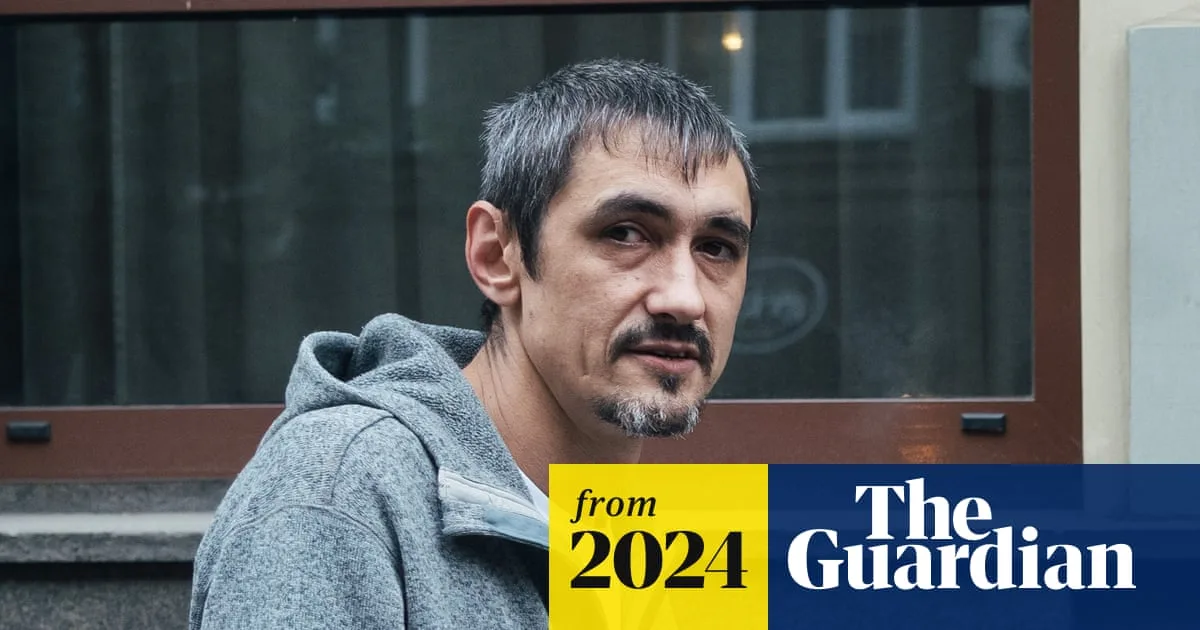
Russian troops have subjected Ukrainian men and boys to systematic sexual torture in detention centres, according to a United Nations report. The UN documented 236 incidents of sexual violence against men and two against boys in under three years since the full-scale invasion began in 2022. Two-thirds of victims are male, with abuses including rape, electric shocks to genitals, forced nudity, and threats of castration.
Oleksii Sivak, a survivor from Kherson, endured weeks of electric shocks to his genitals in a freezing basement after resisting Russian occupation. When freed in autumn 2022, he found no medical specialists for male reproductive injuries. 'I asked them: Am I meant to see a gynaecologist?' he said. 'No one had even thought about male victims of sexual violence.'
Charu Lata Hogg of the All Survivors Project said the scale of abuse in Ukraine is 'quite startling' and unprecedented in their global database spanning three decades. She credited Ukrainian authorities' support for survivors and improved interviewing methods for the high disclosure rates, noting returnees receive psychological support soon after release.
Sivak has established Ukraine's first support network for male survivors, filling a gap where resources were almost entirely aimed at women. 'One of the aims is to make a path where one didn't exist before,' he said. The network provides peer support and advocacy, as most survivors remain silent due to stigma and shame.
The UN found sexual torture is deployed systematically in 'almost all' Russian detention centres. Hogg emphasised that while sexual violence against men occurs globally, 'the struggle is always getting documented cases'. Ukraine's efforts to record abuses set an example, but the country is only beginning to address the trauma.
Sivak speaks out to break the silence: 'If I am silent, it's like it never happened, and that means it is not happening now. The reality is that many men are still in basements.' His activism is driven by fellow detainees who became his lifeline during captivity, forming an informal support network that continues after release.




