Starmer Deploys UK Carrier Strike Group to North Atlantic in Major Security Move
UK to Send Warships to Northern Waters in Security Pledge

UK to Deploy Carrier Strike Group to Northern Waters in Major Security Commitment

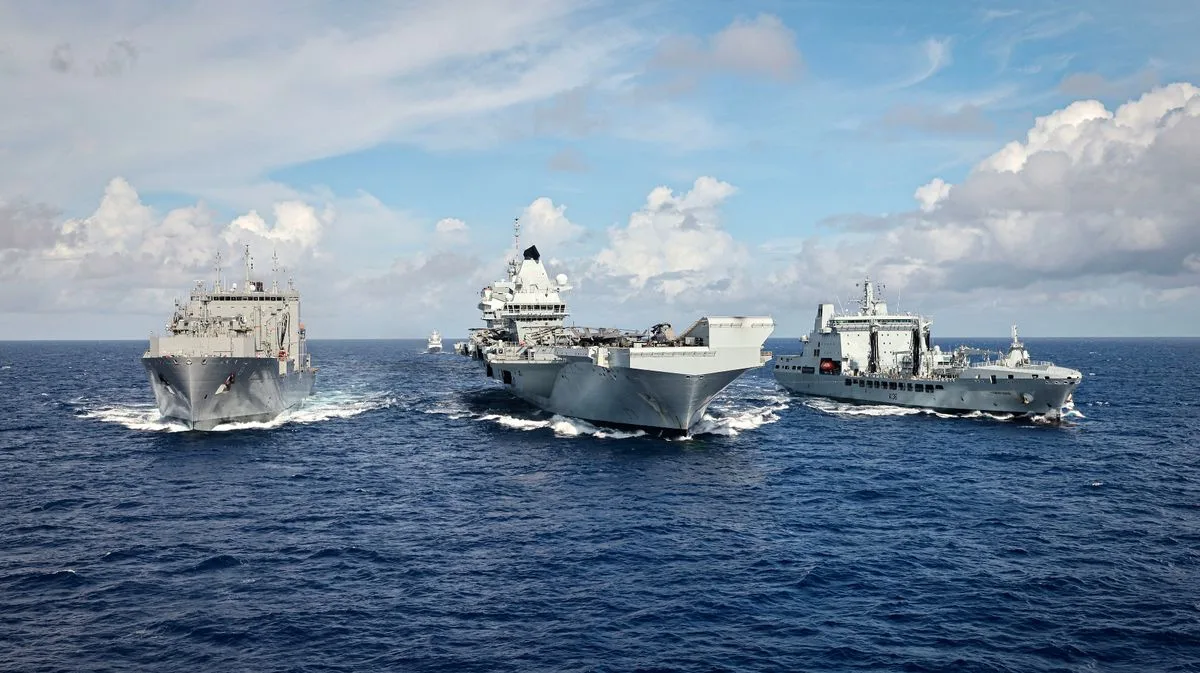
Prime Minister Keir Starmer has announced a significant military deployment, confirming that the United Kingdom will send its carrier strike group to the North Atlantic and High North region later this year. This strategic move represents a major commitment to Euro-Atlantic security and a clear signal of Britain's readiness to defend its allies if called upon.

Strong Warning Against Russian Aggression

Speaking at the Munich Security Conference, Starmer delivered a stark warning about the ongoing threat from Russia, emphasizing that Europe must be prepared to "fight" to deter further aggression. The Prime Minister argued that despite any potential peace deal with Ukraine, Russia has demonstrated a persistent appetite for hostile actions that require a robust military response.

"We must build our hard power, because that is the currency of the age," Starmer declared in his address to European leaders. "We must be able to deter aggression, and, yes, if necessary, we must be ready to fight."

Carrier Deployment Details and NATO Cooperation

The deployment will be led by the HMS Prince of Wales, Britain's newest aircraft carrier, and will involve coordinated operations with key NATO allies including the United States and Canada. This multinational effort is designed to demonstrate collective strength and resolve in the face of growing security challenges in northern waters.

Starmer specifically announced: "I can announce today that the UK will deploy our carrier strike group to the North Atlantic and High North region this year, led by the HMS Prince of Wales, operating alongside the US, Canada and other NATO allies in a powerful show of our commitment to Euro-Atlantic security."

Rejection of Isolationism and Brexit Parallels

The Prime Minister used the platform to argue against isolationist tendencies, warning that Brexit-style withdrawal from international cooperation would mean surrendering control during dangerous times. He emphasized that Britain's security is fundamentally linked to strong European partnerships, particularly when confronting threats from Russia.

"In a dangerous world, we would not take control by turning inward, we would surrender it," Starmer stated unequivocally. "I am clear there is no British security without Europe and no European security without Britain. That is the lesson of history, and is today's reality as well."

Context of Trump's Criticism and NATO Commitments

The announcement comes amid ongoing criticism from former US President Donald Trump, who has repeatedly accused European nations of failing to meet their defence spending obligations. Trump has also alarmed international leaders with controversial suggestions about acquiring Greenland, a semi-autonomous territory of Denmark that is a NATO member.

Starmer reaffirmed Britain's commitment to NATO's founding principles, particularly Article 5 which states that an attack on one member constitutes an attack on all. "The UK would honour the NATO commitment to defend its allies if called upon," he insisted, addressing concerns about alliance solidarity that Trump has publicly questioned.

Additional Defence Investments Announced

Earlier in the week, Defence Secretary John Healey revealed that Britain would allocate £400 million toward developing next-generation long-range missiles this year. This funding will support replacements for Storm Shadow missiles, which Ukraine has successfully used to strike deep into Russian territory, thereby bolstering European security capabilities.

Political Context and Leadership Challenges

Starmer's Munich appearance followed what has been described as a "nightmare week" for his leadership, during which his political authority faced significant challenges. The Prime Minister traveled to Germany on Friday for discussions with world leaders before delivering his Saturday speech, in which he urged political leaders to be honest with the public about security threats to avoid ceding ground to populist movements.

This carrier deployment represents one of Starmer's most substantial foreign policy announcements since taking office, positioning Britain as a key military player in northern waters while reinforcing the interconnected nature of European security in an increasingly volatile geopolitical landscape.