
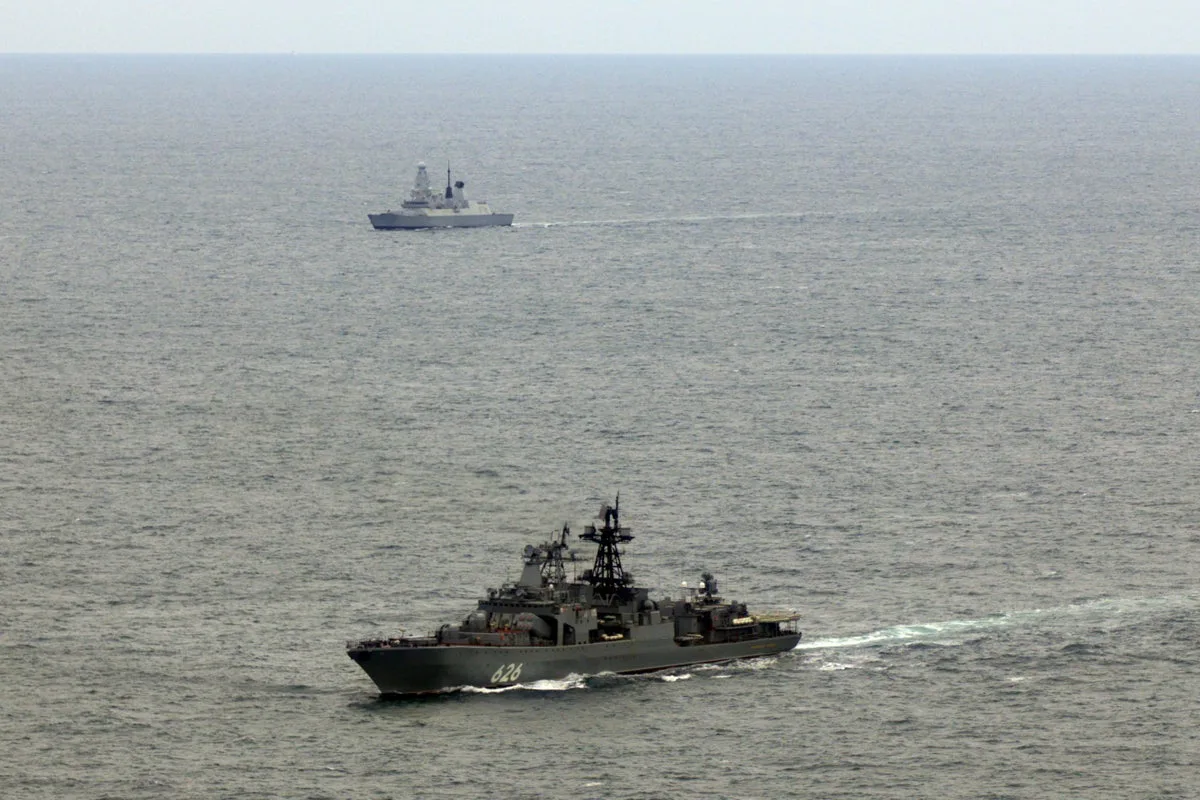
The UK and Norway are set to sign a landmark defence pact, creating a combined naval fleet to track Russian submarines in the North Atlantic. The initiative aims to protect critical undersea cables, with the Ministry of Defence reporting a 30% rise in Russian vessel sightings in UK waters over the past two years.
Prime Minister Sir Keir Starmer will host his Norwegian counterpart, Jonas Store, at RAF Lossiemouth in Scotland. They will hear from P-8 maritime patrol crews who have tracked Russian spy ships like the Yantar, which recently targeted a UK aircraft with lasers.
Named the Lunna House agreement after a Shetland Isles base used by Norwegian resistance in WWII, the pact builds on a £10 billion UK-Norway warship deal signed in September. Type 26 frigates, built at BAE Systems in Glasgow, will form a fleet of at least 13 anti-submarine ships, with a minimum of five from Norway.
These warships will monitor Russian movements between Greenland, Iceland, and the UK, defending seabed cables and pipelines vital for British communications, electricity, and gas. The agreement also includes UK participation in Norway's programme for uncrewed mine hunting and undersea warfare systems.
Royal Marines will train in Norway for sub-zero conditions, and the countries will collaborate on UK-built sting ray torpedoes, joint wargaming, and NATO's adoption of autonomous systems. The Royal Navy will adopt Norwegian naval strike missiles with ranges over 100 miles.
Sir Keir Starmer said: “At this time of profound global instability, as more Russian ships are being detected in our waters, we must work with international partners to protect our national security.” Defence Secretary John Healey added: “When our critical infrastructure and waters are threatened, we step up.”




