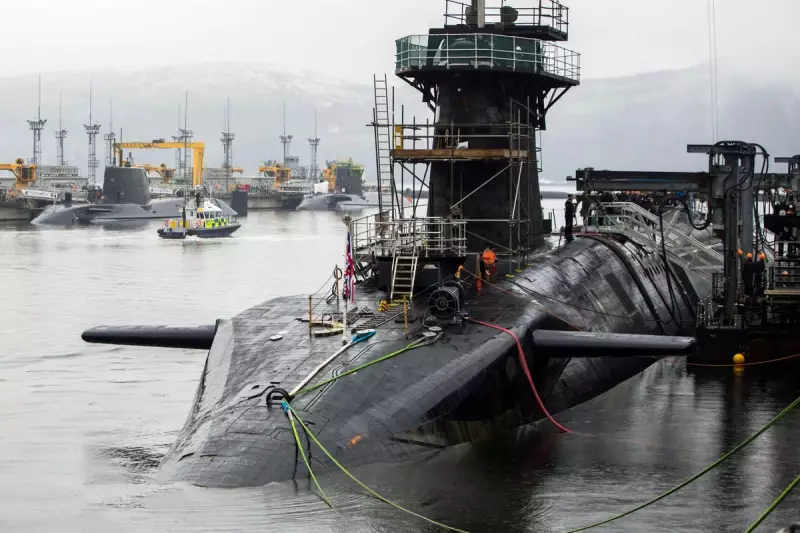
Amid rising geopolitical tensions, a stark contrast is emerging between the United Kingdom's historic military reputation and its current defence priorities. While European allies significantly ramp up spending and openly debate measures like national service, the UK's latest Budget offered no new funding for defence beyond previously modest pledges.
A Budget Silent on Defence
The recent Budget, heavily trailed and debated in other areas, was conspicuously quiet on the subject of national defence. Public spending is rising across multiple departments, but the Ministry of Defence saw no additional financial commitment. This comes despite high-profile displays of allied unity, such as the Prime Minister's visit to RAF Lossiemouth with Norway's leader to sign a new pact tracking Russian submarines, and the King's state banquet for the German president, where solidarity with Ukraine was reaffirmed.
This silence has exacerbated a growing mismatch. The UK continues to trade on its Cold War image as Europe's pre-eminent military power, yet it was overtaken by Germany last year as NATO's largest European contributor in cash terms. While the UK still leads as a percentage of GDP, Germany's accelerated spending plans mean it is poised to surpass Britain on that metric too.

European Momentum Versus UK Listlessness
The disparity is becoming more pronounced. While other European nations respond to calls—including from Donald Trump—for increased NATO burden-sharing, the UK government has managed to sidestep the issue. Defence spending currently sits at approximately 2.3% of GDP, with a commitment to reach only 2.6% by 2027. The ambitious NATO goal of 3.5% by 2035 for European members appears increasingly distant for Britain.
This reluctance extends to public debate on defence reform. A recent spending review outlined recommendations for better industry coordination, technological investment, and civil preparedness, yet these have garnered little public attention. Most notably, while France and Germany openly discuss the controversial prospect of reintroducing forms of national service, the topic remains virtually absent from UK government discourse.
The National Service Question and Strategic Risks
Former Prime Minister Rishi Sunak floated the idea of national service before the last election, and it periodically resurfaces, often citing potential social benefits like fostering cohesion. However, it has never been seriously examined by the government. In contrast, Germany is implementing compulsory registration for 18-year-olds, and France's army chief has provoked intense debate by warning the nation must be prepared for potential wartime losses.
The UK's near-silence on spending, preparedness, and conscription might be expected to cause concern among allies. However, analysts suggest France and Germany may currently prioritise keeping the UK anchored within European defence structures, fearing a closer UK-US alignment. The question is how long this can last as Germany, in particular, asks its public to accept higher defence costs.
Ultimately, defence spending is a political choice. The Armed Forces Minister recently acknowledged that UK resources directed to Ukraine impact the domestic cost of living, implicitly blaming Russia. Whether under allied pressure or from a less quiescent public, the day may come when the UK can no longer avoid a full and open debate on its defence future—a development that would be a positive step for the country's democracy.