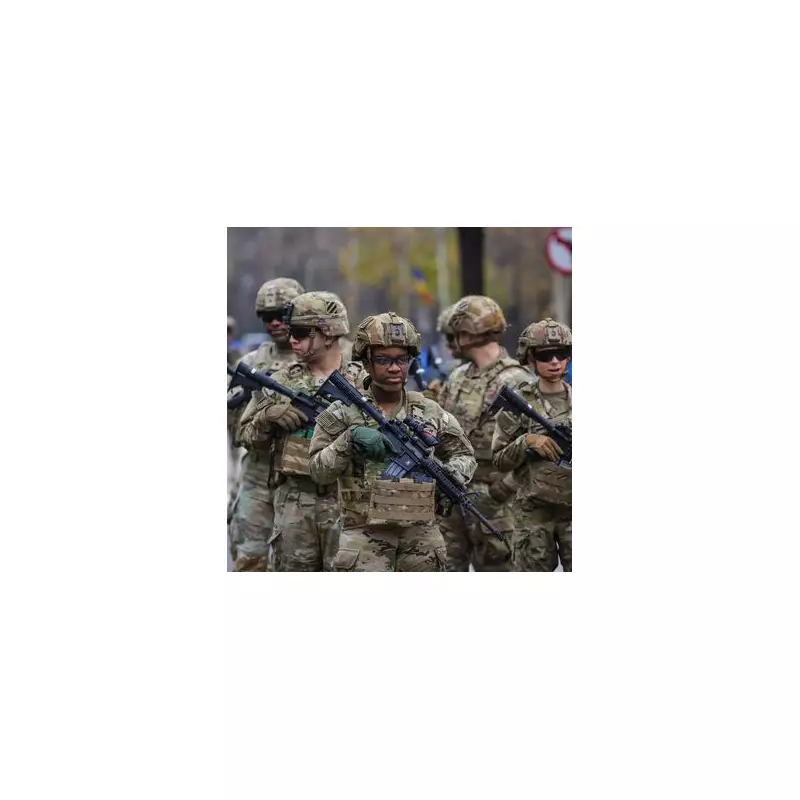
With global tensions escalating and the launch of a new military gap year programme, the spectre of national conscription has returned to public debate in the United Kingdom. Starting in March, Britons under the age of 25 will be offered a voluntary taste of military life, a move designed to boost recruitment and build vital skills against a backdrop of heightened threats from Russia.
Learning from History: WWII's Essential Exemptions
While the government's new scheme is voluntary, history provides a stark blueprint for who might be spared in the event of a mandatory call-up. During the Second World War, the British government deemed certain professions too indispensable to the nation's survival to be sent to the front lines.
Key workers in sectors critical to keeping the country functioning were exempted from conscription. These historically protected roles included:

- Bakers and Farmers: Essential for maintaining the nation's food supply.
- Doctors and Nurses: Vital for medical care on the home front and in military hospitals.
- Engineers: Crucial for maintaining infrastructure, industry, and war machinery.
The Evolution of a Wartime Draft
The UK's conscription framework in WWII evolved rapidly as the conflict deepened. The first steps were taken in May 1939 under the Military Training Act, which required single men aged 20 to 22 to undertake six months of military training.
However, the situation changed dramatically upon the declaration of war on 3 September 1939. Parliament swiftly passed the National Service (Armed Forces) Act, expanding conscription to all men between 18 and 41. Medical exemptions applied, as did those for the essential jobs listed.
The net widened further as the war dragged on. By late 1941, conscription included women and childless widows aged 20 to 30, while men up to age 51 were called up. Even those aged 52 to 60 were required to perform some form of military service.
Modern-Day Warnings and the Deterrent Factor
The conversation around contemporary conscription is being driven by stark warnings from figures with military expertise. Afghanistan veteran and Tunbridge Wells MP, Mike Martin, recently told the Express that in a general war with Russia, conscripting the population would be inevitable.
"There's a significant chance that it might happen, so we must be prepared," the Liberal Democrat MP stated. He emphasised, however, that military readiness serves as a powerful deterrent. "Being prepared generates deterrence, which decreases the likelihood [of war]. The whole point about building the military up is that it decreases the likelihood of this happening."
The new gap year programme, offering young civilians skills with no obligation to serve full-time, fits into this philosophy of bolstering national preparedness. It also revives the historical concept of the conscientious objector. During WWII, those with moral objections faced tribunals and were often directed into non-combat roles that supported the wider war effort.
As the world watches ongoing conflicts and geopolitical manoeuvring, the UK is subtly preparing its next generation. The lessons from the 1940s about which roles keep a nation running remain a potent guide to who might be called upon to fight, and who might be ordered to stay behind.