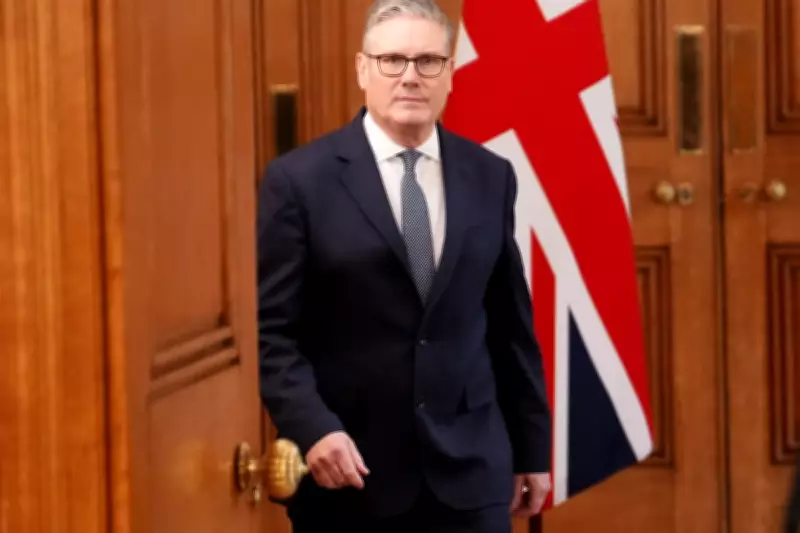
UK Permits US Use of Military Bases for Defensive Action Against Iran
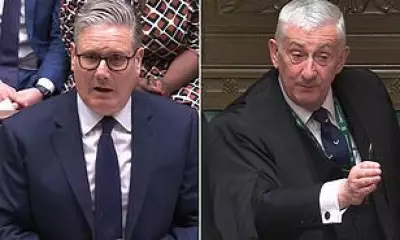
Prime Minister Sir Keir Starmer has publicly confirmed that the United Kingdom has granted the United States permission to utilise British military bases for launching defensive strikes against Iranian missile installations. This significant decision was announced via a video statement released on social media late on Sunday evening, following extensive consultations with regional leaders.
Limited and Defensive Purpose
Sir Keir emphasised that British forces will not be directly involved in any offensive operations against Tehran. Instead, the agreement strictly permits the use of UK bases for what he described as a "specific and limited defensive purpose" – targeting missile storage depots and launchers that Iran has been using to attack neighbouring countries. The Prime Minister stressed that this action is taken under the principle of collective self-defence, aimed at protecting British citizens and longstanding allies in the Gulf region.
Protecting British Interests and Lives
The decision comes in response to sustained Iranian attacks across the region, which have endangered approximately 200,000 British citizens residing, holidaying, or transiting through the area. Starmer highlighted specific incidents, including attacks on airports and hotels accommodating British nationals, and a missile strike on a military base in Bahrain that narrowly missed British personnel. He stated unequivocally that Iran's actions pose a direct threat to British lives and interests, necessitating a robust defensive response.

Legal and Strategic Framework
To ensure transparency and adherence to international norms, the UK government is publishing a summary of its legal advice regarding this decision. Starmer reassured the public that this move is fully compliant with international law and is distinct from offensive military engagements. He explicitly referenced the lessons learned from the Iraq conflict, affirming that the UK will not participate in offensive strikes against Iran. Instead, the focus remains on defensive measures to neutralise the immediate missile threat and prevent further escalation.
Potential Base Locations
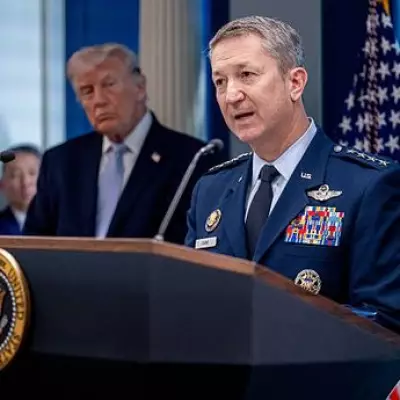
While the specific bases to be utilised have not been officially disclosed, previous reports and statements provide some indications. Former US President Donald Trump has previously mentioned Diego Garcia, a British territory in the Indian Ocean, as a potential site. Additionally, RAF Fairford in Gloucestershire, known for its capacity to handle American heavy bombers, is also under consideration. The final selection of bases will likely be coordinated between UK and US defence authorities to maximise operational effectiveness.
Regional Diplomacy and Support
Prime Minister Starmer's announcement followed a day of intensive discussions with Gulf leaders, who reportedly urged the UK to enhance its defensive support against Iranian aggression. In addition to permitting US access to bases, the UK is deploying its own defensive capabilities, including British jets participating in coordinated operations that have already intercepted Iranian strikes. Furthermore, the government plans to collaborate with Ukrainian experts to share counter-drone technology, assisting Gulf partners in defending against Iranian drone attacks.
Commitment to Peaceful Resolution
Despite the heightened military posture, Starmer reiterated the UK's commitment to a diplomatic solution. He emphasised that the preferred outcome remains a negotiated settlement where Iran renounces any aspirations to develop nuclear weapons. However, given the current reckless and dangerous actions by Iran, the immediate priority is to protect civilian lives and stabilise the region through necessary defensive measures.
This strategic decision underscores the UK's dual approach: upholding its duty to safeguard British citizens and allies while advocating for long-term peace and security in the Gulf through diplomatic channels.