
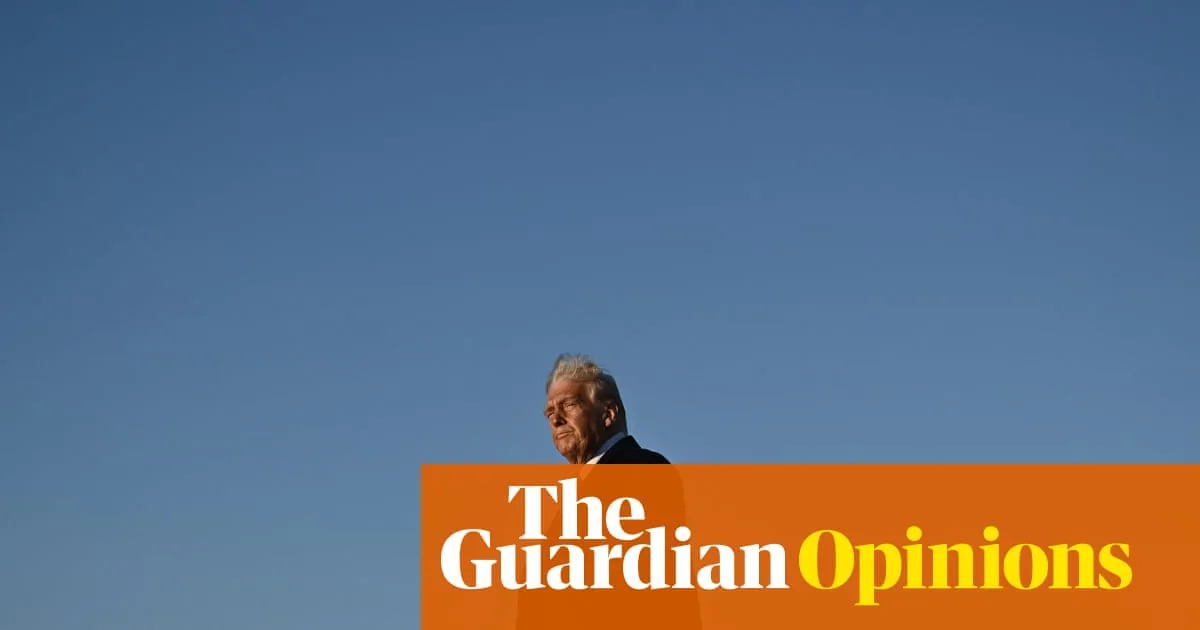
The overthrow of Nicolas Maduro by invading US forces has sent shockwaves across the world, with the coup widely condemned as illegal, unprovoked and destabilising. The capture of Venezuela's socialist president marks an extraordinary assertion of US power under Donald Trump, who has threatened similar action against Iran and previously clashed with regional leaders.
Trump claims the operation aims to halt drug trafficking and illegal migration from Venezuela, but critics accuse him of coveting the country's oil and gas resources. The move revives the 19th-century Monroe doctrine, seeking US dominance throughout the western hemisphere. Regional leaders, including Colombia's President Gustavo Petro, expressed outrage, fearing they could be next.
Cuba, which depends on Venezuela for energy, faces particular peril, as US Secretary of State Marco Rubio has long pushed for regime change in Havana. Panama also fears US military action over the canal, recalling the 1989 invasion and capture of Manuel Noriega. Authoritarian regimes worldwide are watching closely; Iran condemned the coup, while Russia's Putin may not be displeased at losing an ally. China's Xi Jinping may see a precedent for action against Taiwan.
Britain and the EU should unequivocally condemn the attack, which challenges international norms and ignores the UN. The decapitation of Venezuela's government risks a power vacuum, civil war or a military coup, especially as senior regime figures urge resistance. Reports of civilian casualties remain unconfirmed, and it is unclear if US operations will escalate.
The notion that exiled opposition leader María Corina Machado can swiftly restore democracy is naive, as the coming days will be critical. Trump's action exposes his misleading 'global peacemaker' image, revealing him as a warmaker and menace. European leaders, including Keir Starmer, must recognise this reality.




