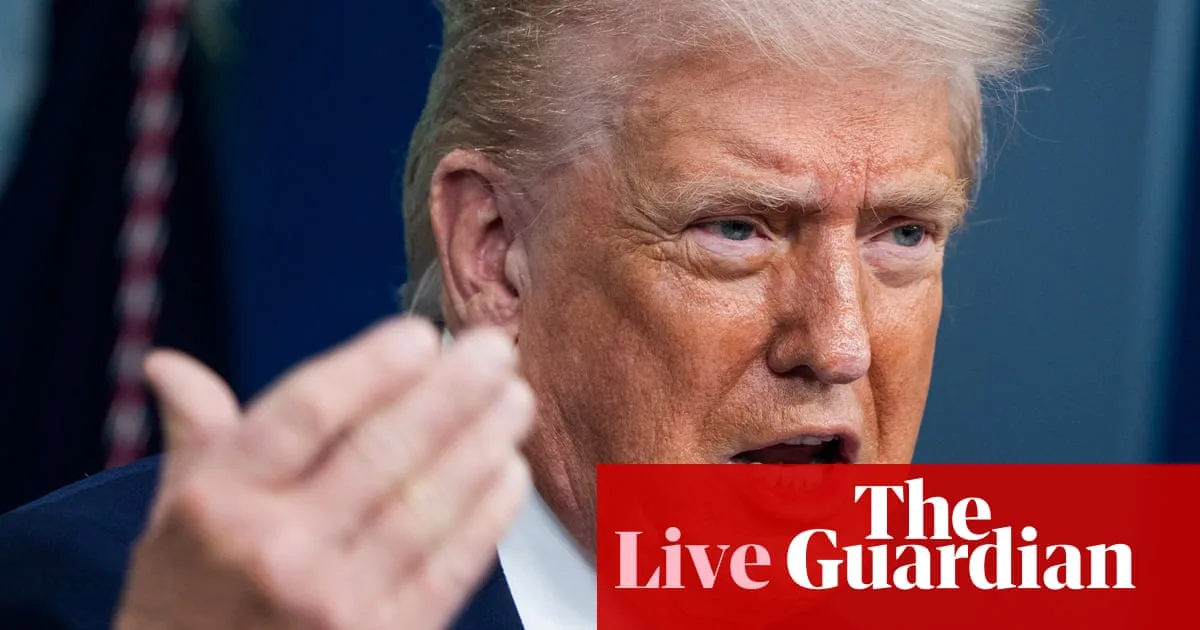
Former US President Donald Trump has once again thrust the vast Arctic territory of Greenland into the geopolitical spotlight, renewing controversial calls for a United States takeover. This move has escalated tensions with Denmark and Greenland itself, threatening the very foundations of the NATO alliance, even as Danish, Swedish, and Norwegian home guard units conduct joint military exercises in Kangerlussuaq, Greenland.
Why Greenland is a Geopolitical Prize
The strategic significance of Greenland has evolved in Trump's rhetoric, but its importance has only grown. Initially floated in 2019 as a "large real estate deal," his focus has shifted to "national security." Positioned between North America and Russia, Greenland is seen as a crucial frontier for defence. The rapid melting of its ice sheets, driven by the climate crisis, is unlocking new possibilities and dangers.
These changes could open access to oil, gas, and critical minerals like copper, lithium, cobalt, and nickel, which are essential for green technology. Furthermore, new Arctic shipping routes are emerging, offering alternatives to the Suez Canal and drastically shortening journeys between Europe and Asia. With China, which dominates rare earth production, showing interest in the region, the US sees controlling Greenland as a way to secure resources and limit Chinese influence.
The US already maintains a key military presence at Pituffik Space Base (formerly Thule), part of its ballistic missile early warning system, underscoring the island's established strategic value.
Denmark's Stance and a Fraught Colonial History
Greenland is an autonomous territory within the Kingdom of Denmark, which still controls its foreign and security policy. Danish Prime Minister Mette Frederiksen has issued a stark warning, stating that any US military attack on a NATO ally—including Greenland as part of Denmark—would mean the end of the alliance. Greenland's own Prime Minister, Jens-Frederik Nielsen, has urged Trump to abandon his "fantasies about annexation."
The relationship between Greenland and Denmark is complex and strained by history. Modern colonisation began in the 18th century. Recent years have seen intense anger over historical injustices, including the forced contraceptive coil scandal of the 1960s and 70s, which a former Greenlandic leader labelled genocide, and the separation of children from parents. In a significant step, Denmark officially apologised for the IUD scandal in September 2023 and has banned controversial "parenting competency" tests.
Amid Trump's threats, Greenland formed a new coalition government in March, with its agreement boldly stating: "Greenland belongs to us." While pro-independence sentiment is growing, any move to full sovereignty requires a successful referendum under a 2009 agreement.
A Direct Challenge to the Post-War Order
Trump's top aide, Stephen Miller, has indicated the administration is determined to acquire Greenland, believing it can be done without military force. However, the mere suggestion has profound implications. Prime Minister Frederiksen has clarified that a US attack on another NATO country would end "everything"—including the post-Second World War security architecture.
European leaders have rallied behind Denmark and Greenland, affirming that "Greenland belongs to its people." King Frederik X of Denmark praised Greenlanders' "strength and pride" during this turbulent time, and the redesign of the royal coat of arms to feature Greenland more prominently was seen by many as a subtle rebuke to Trump's ambitions.
As Nordic troops practise drills on the Greenlandic ice, the scene underscores a region preparing for an uncertain future. The convergence of climate change, resource competition, and great power rivalry has placed this remote island at the heart of a potential crisis that could redefine alliances and stability in the Arctic and beyond.




