
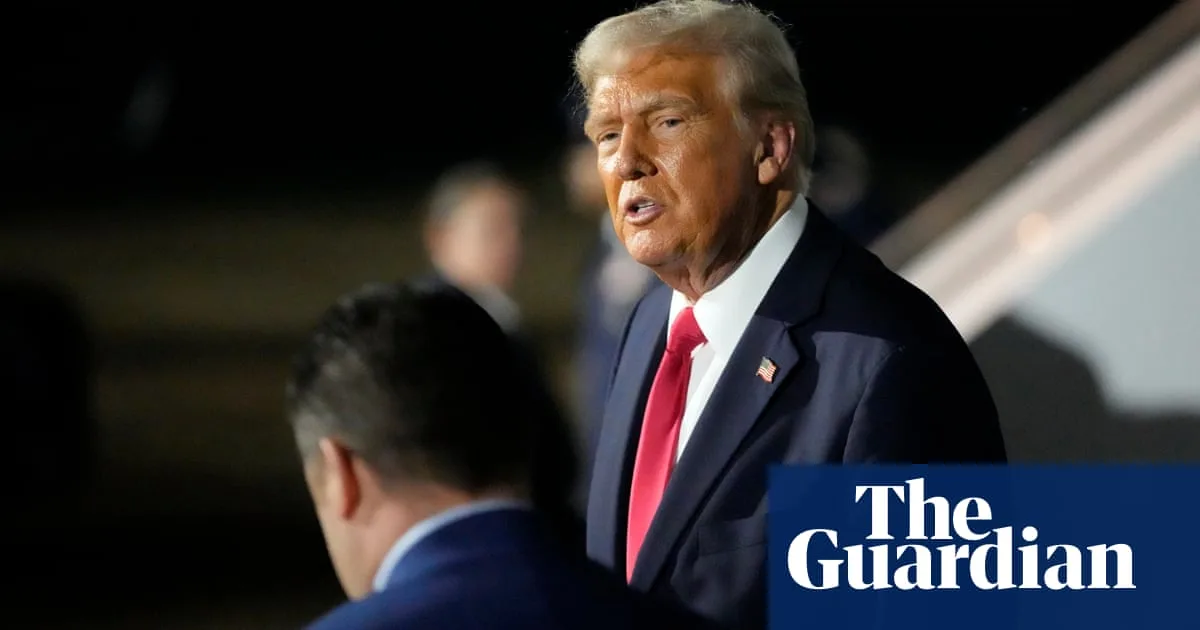
The organisers of the Munich Security Conference have warned that Donald Trump’s proposed ‘land grabs’ have shifted global perceptions of the United States from an anchor of stability to a risk that must be hedged against. The pre-summit report, released ahead of the conference opening on Friday, highlights a perceived move away from US-led global leadership.
Since his inauguration, Trump has mooted acquiring Greenland and the Panama Canal, and suggested Canada could become the 51st US state. The authors argue that Washington no longer wishes to be the guardian of the liberal international order, but it remains unclear which other nations might step in to provide global public goods such as freedom of navigation.
The report points to a broader trend of ‘multipolarisation’, with survey data showing that countries like Brazil, India, South Africa and China increasingly welcome the shift away from US dominance. The authors note that peaceful coexistence between competing orders is uncertain.
The conference will see the first meetings between a Trump delegation led by Vice-President JD Vance and European leaders since Trump’s inauguration. Vance, accompanied by Defence Secretary Peter Hegseth and Secretary of State Marco Rubio, is expected to face questions on US leadership and ceasefire terms for Ukraine. European officials will press for more action to weaken Vladimir Putin before negotiations and seek assurances on a possible European-led stabilisation force in Ukraine.
The report also warns of Russia’s ambitions for a Russian-led Eurasian order, as outlined in late 2021 security treaty proposals, and notes that US efforts to hamper China may intensify. However, Beijing could benefit from US withdrawal from international commitments. Survey data from G7 countries indicates that the risk perceived from the US has increased more than that from Russia.




