
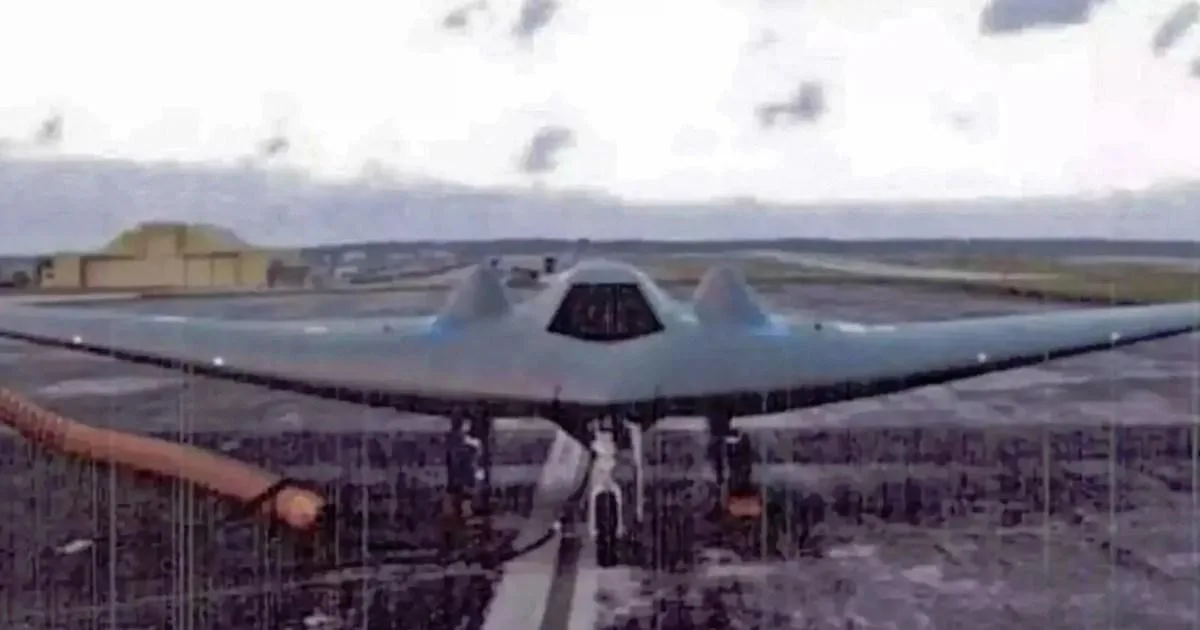
A rare RQ-170 Sentinel drone was seen landing at a Puerto Rican air base at sunrise after the 3 January raid that led to the capture of Venezuelan leader Nicolas Maduro. The sighting has sparked speculation that the top-secret aircraft may have played a role in the operation.
The RQ-170, built by Lockheed Martin, has been in service for nearly two decades, though its existence was only revealed in 2009 after it was used in Afghanistan. Only about 20 of these stealth drones are operational. They were famously deployed for surveillance before the 2011 killing of Osama Bin Laden, monitoring the Abbottabad compound to determine the best time for the SEAL team to strike.
The drone gained the nickname 'the Beast of Kandahar' for its use at Afghanistan’s Kandahar Airfield, flying silently on missions. However, in 2011, an RQ-170 was seized by Iran after it landed there rather than at its intended base. The cause of the malfunction remains unknown, though initial speculation suggested GPS jamming may have forced the unplanned landing.
The New York Times reported that stealth drones flying over Caracas helped the CIA gather intelligence on Maduro's movements before his capture. While it is not confirmed that the RQ-170 was used in that role, its appearance in Puerto Rico shortly after the raid has renewed interest in its involvement.
The operation involved more than 150 US aircraft, including bombers, fighter jets and surveillance planes. President Donald Trump bragged that the US caused a power cut in Caracas before the mission began, saying: 'The lights of Caracas were largely turned off due to a certain expertise that we have. It was dark, and it was deadly.' The raid was carried out by Delta Force, with Maduro and his wife flown out of Venezuela.




