
Senior Russian official Dmitry Rogozin has launched a personal attack on UK Prime Minister Sir Keir Starmer, branding him an 'illiterate fool' for proposing to deploy British troops in Ukraine as part of a future peace deal. Rogozin, a former deputy premier and space agency chief, implied that such a move would open the UK to missile strikes from Russia.
In a statement, Rogozin said: 'Even after Russia's defeat in the Crimean War of 1853-1856, such thoughts never occurred to England, France, or the Turks and Sardinians. Of course, Starmer is illiterate and a fool in the grand scheme of things, but he should still understand what we will do to their s*** kingdom if they actually try to implement this nonsense.'
The comments come after Starmer, alongside French President Emmanuel Macron and Ukrainian leader Volodymyr Zelensky, signed a joint declaration in Paris to establish military hubs on Ukrainian soil and build protected facilities for weapons and equipment after a ceasefire. The UK and France have pledged to put boots on the ground to help Kyiv defend itself.
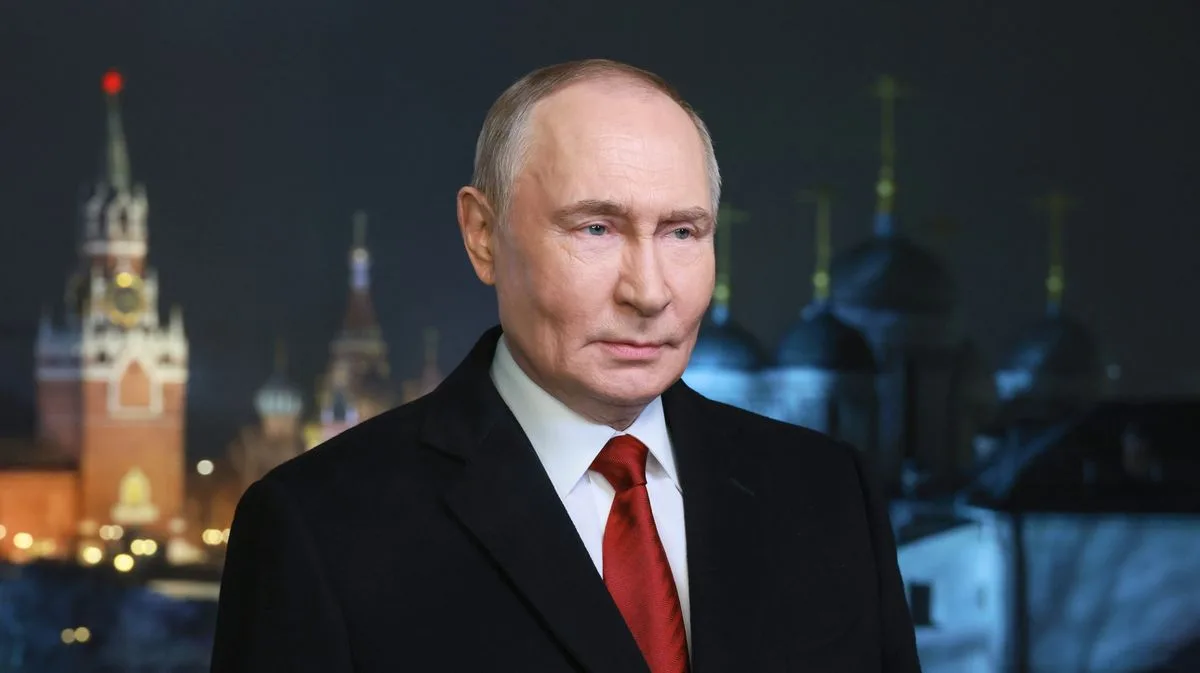
Meanwhile, President Vladimir Putin has described Russia's war in Ukraine as a holy mission, telling troops they are killing on God's orders. Speaking at an Orthodox Christmas service attended by GRU intelligence officers, Putin said: 'The soldiers of Russia, always, as if on the Lord's orders, fulfil this very mission - the defence of the Fatherland, the salvation of the Motherland and its people.'
Following his remarks, Russia launched overnight attacks on Ukraine, injuring seven people, including two girls aged eight and 16, in Dnipro. Residential buildings, schools, and kindergartens were struck. The Christmas service took place at a GRU-linked special operations centre, whose commander is under investigation for allegedly organising an explosion on a railway in NATO state Poland.




