Reeves Digs Heels In Over Defence Boost Despite Fears UK Security Is ‘In Peril’
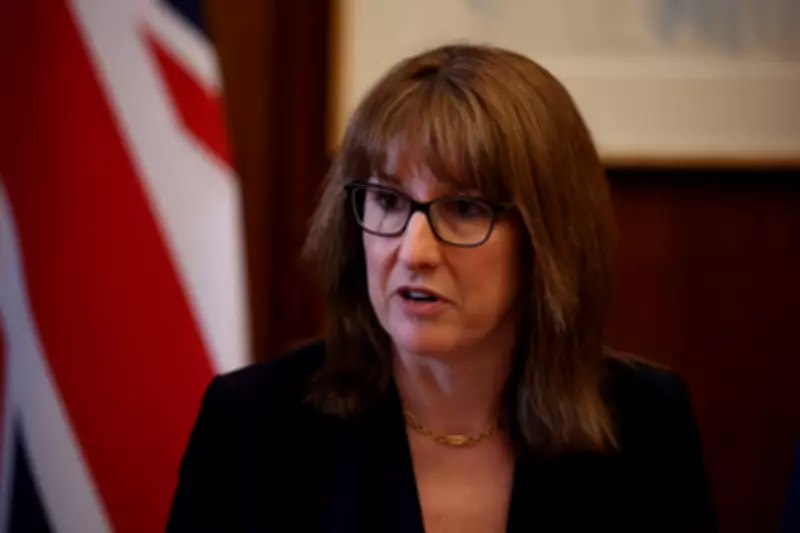
Chancellor Rachel Reeves is reportedly resisting calls for a major increase in defence spending, even as senior military figures warn that Britain's security is "in peril" due to an ailing military. The Armed Forces are facing a financial black hole estimated at around £28 billion over the next four years, yet the chancellor has only approved plans for a "limited" increase to the Ministry of Defence's budget.
Budget Constraints and Fiscal Rules
According to reports, Reeves has proposed a defence budget increase of just £10 billion, as she prioritises other fiscal measures. These include a targeted energy bailout for vulnerable households and scrapping plans to hike fuel duty in September, a move expected to cost approximately £2.6 billion. Sources indicate that the chancellor is unwilling to break her fiscal rules or raise taxes to fund a larger defence boost, despite growing global turbulence from conflicts in the Middle East and Ukraine.
Military Chiefs Face Cuts and Efficiencies
Defence chiefs are set to meet this week to discuss an expected £3.5 billion cut to the military budget for the current financial year. UK military leaders have been instructed to find billions in "efficiencies," even as Prime Minister Sir Keir Starmer has stated he is preparing the armed forces for war. This contradiction has sparked concern among experts and former officials.

Stark Warnings from Former Defence Secretaries
Former NATO Secretary General George Robertson, appointed by the prime minister to write the government's Strategic Defence Review (SDR), delivered a scathing speech accusing "non-military experts" in the Treasury of "vandalism." He claimed Sir Keir is unwilling "to make the necessary investment" in Britain's defence, labelling the situation a result of "corrosive complacency."
His criticisms were echoed by other prominent figures. Malcolm Rifkind, a former defence secretary, argued that defence should be the government's "prime responsibility" and suggested funding it through welfare cuts or income tax increases. Jack Straw, former foreign secretary, praised Robertson's intervention, emphasising the urgency to settle defence spending at a level that meets future needs.
Former Tory defence secretary Ben Wallace expressed frustration, stating, "Lord Robertson, like the rest of us, has become increasingly frustrated with a prime minister who talks the talk but doesn't follow it up with funding and action." Fiona Hill, another co-author of the SDR, warned of a "bizarre" lack of urgency in defence planning, citing concerns over political reactions rather than resolute leadership.
Government Response and Delays
Downing Street rejected Robertson's claims that Britain is "underprepared" and "underinsured," with a spokesperson asserting that the armed forces are "working around the world every minute of the day to keep us safe at home." The government has committed to spending 2.5% of GDP on defence by 2027, rising to 3% in the next parliament and 3.5% by 2035, in line with NATO targets.
However, the publication of a 10-year defence investment plan to fund the SDR has been repeatedly delayed, sparking criticism from MPs across the Commons. In-year savings have also been blamed for operational issues, such as delaying the deployment of HMS Dragon to Cyprus after attacks from Tehran.
Ongoing Challenges and International Tensions
Questions persist about the reduction of the army to around 70,000 personnel and the use of outdated equipment. Sir Keir told MPs that the government is finalising the defence investment plan but aims to avoid past mistakes of unfunded and undeliverable plans.
Meanwhile, Reeves is set to meet US Treasury Secretary Scott Bessent in Washington, where tensions over the Iran war's economic impact may arise. Bessent has argued that "a small bit of economic pain" is worthwhile to prevent Tehran from obtaining nuclear weapons, contrasting with Reeves' public frustration over America's actions in the Middle East and their financial fallout on families.

A government spokesperson reiterated their commitment, stating, "We have delivered the largest sustained increase in defence spending since the Cold War – taking the total investment to more than £270 billion across this Parliament. We are finalising our Defence Investment Plan that we will publish as soon as possible, rebuilding British industry to make defence an engine for growth and doubling down on our own commitment to NATO."