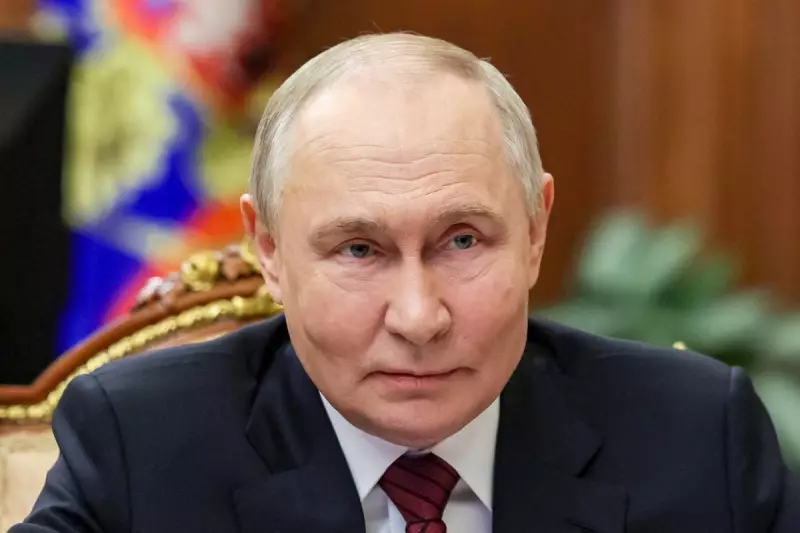
Russian President Vladimir Putin has publicly dismissed growing fears of a military conflict between Russia and Europe as mere "hysteria", despite a recent escalation in Moscow's hybrid attacks and his own stark warnings directed at the West.
Putin's Dismissal of European Fears
Speaking on Wednesday 17 December 2025, Putin claimed that Europeans have been subjected to a campaign of fearmongering. He stated they have been "indoctrinated with fears about an inevitable clash with Russia", branding the entire concept of a Russian military threat to Europe as "a lie, nonsense". The Russian leader accused European governments of following the lead of the previous US administration, attempting to portray US President Joe Biden as an instigator of conflict.
Contradictory Threats and Warnings
This rhetoric sharply contradicts both his own recent statements and the assessment of Western security experts. Only two weeks prior to this dismissal, Putin himself issued direct threats against Europe. He reiterated Russia's unwavering commitment to its objectives in Ukraine, expressing a nominal preference for diplomatic solutions but issuing a clear warning. Putin stated that if negotiations fail, Moscow is prepared to use military force to "liberate its historical lands".

Meanwhile, analysts and military leaders across the West are sounding alarms. Their consensus suggests that Putin's actions are not those of a leader seeking peace. The head of Britain's armed forces and NATO Secretary General Mark Rutte are among those who believe the Kremlin is actively preparing for a potential confrontation with NATO members. Their stark assessment warns that the alliance could face direct attacks on member states within a timeframe of five years.
A Strategy of Hybrid Aggression
This warning is set against a backdrop of increasing hybrid attacks originating from Russia. These covert operations, which can include cyber warfare, disinformation campaigns, and sabotage, are viewed by NATO as a precursor to more overt military action. The combination of Putin's threatening language, the ongoing war in Ukraine, and these asymmetric attacks has created the most severe security climate in Europe since the Cold War.
Experts argue that Putin's latest attempt to label concern as "hysteria" is a classic disinformation tactic, aimed at sowing doubt and division within European societies and alliances. The fundamental disconnect remains: while the Kremlin speaks of imagined threats, Western intelligence points to very real preparations for conflict, making vigilance and unity within NATO more critical than ever.