Poland has taken a decisive step in its national defence strategy, announcing it will restart the production of anti-personnel mines for the first time since the Cold War ended. The move signals a significant shift in European security policy in response to ongoing regional threats.
A Strategic Decision for Border Defence
The newly manufactured weapons are primarily intended for deployment along Poland's sensitive eastern frontier. This border is shared with Belarus and the Russian exclave of Kaliningrad. Deputy Defence Minister Pawel Zalewski publicly confirmed the decision, emphasising the urgent need for "large quantities as soon as possible."
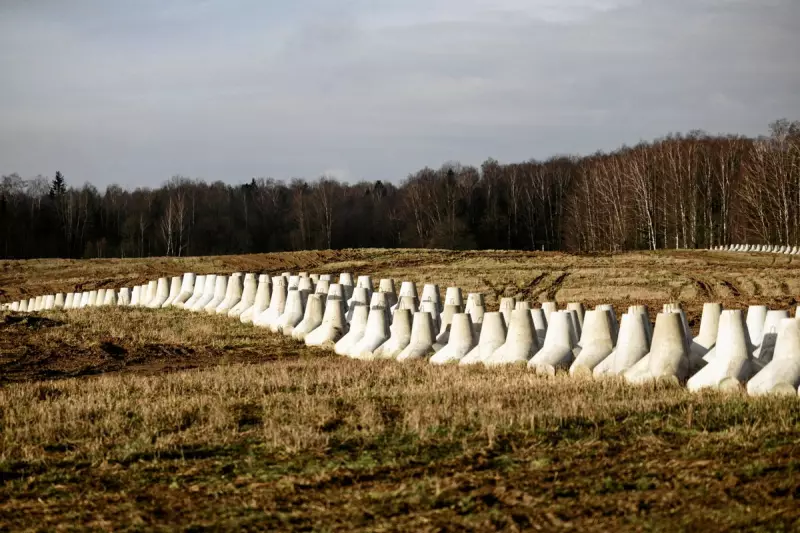
This procurement is a core component of the government's 'East Shield' defensive initiative, a comprehensive programme designed to fortify the nation's borders. Furthermore, officials have indicated that a portion of the production could potentially be exported to Ukraine, bolstering its defensive capabilities against Russian aggression.

Withdrawal from the Ottawa Treaty
This policy reversal necessitates a formal departure from an international agreement. Poland has initiated the process of withdrawing from the Ottawa Convention, the landmark 1997 treaty that prohibits the use, stockpiling, production, and transfer of anti-personnel mines.
If the withdrawal proceeds as planned, production could commence after February 2026. This timeline allows for the treaty's formal withdrawal procedures to be completed.
Part of a Wider Regional Trend
Poland's decision is not an isolated act but reflects a broader recalculation of security needs across Eastern Europe. Several other European nations that share a border with Russia are reportedly considering similar steps, either by withdrawing from the Ottawa Treaty or by exploring their own production capabilities.
This collective move underscores the profound impact of the war in Ukraine and the perceived persistent threat from Moscow, leading to a renaissance of Cold War-era defence planning and infrastructure.
The resumption of mine production marks a pivotal moment for Poland and European security, highlighting a return to traditional territorial defence mechanisms in an increasingly volatile geopolitical landscape.