Former US Air Force Nuclear Specialist Issues Grave Warning Over Iran Conflict
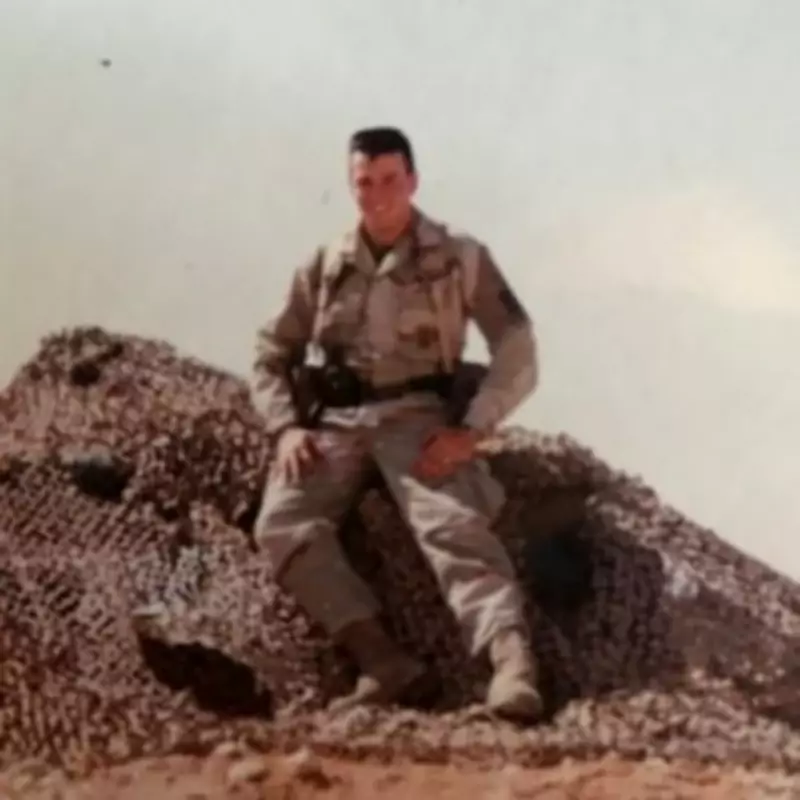
Gene Sticco, a former nuclear protection specialist for the United States Air Force, has described the ongoing conflict with Iran as the most dangerous security environment in the Middle East since 1990. In exclusive comments to The Mirror, Sticco warned that the situation is metastasising in real time with potentially catastrophic consequences.
Operation Epic Fury and Immediate Aftermath
The dramatic escalation began over the weekend of February 28, 2026, when the United States and Israel launched coordinated strikes against Iran as part of Operation Epic Fury. The operation resulted in the death of Iran's supreme leader, Ayatollah Ali Khamenei, along with numerous military officials at his compound in Tehran.
In response, Iran has launched far-reaching retaliatory attacks across the Gulf region, targeting multiple countries with drones and missiles. The affected nations include:

- Israel
- United Arab Emirates (UAE)
- Saudi Arabia
- Bahrain
- Jordan
- Oman
- Qatar
The conflict has already claimed the lives of three US service members in Kuwait, while RAF Akrotiri, a British airbase in Cyprus, was struck by a one-way attack drone.
Blast Radius Wider Than Gulf War
Sticco, who spent several years as a nuclear specialist in the US Air Force and later oversaw security operations for major energy firms including Shell and BHP, emphasized the unprecedented scale of the current conflict.
The blast radius of this conflict is already wider than anything we've seen since the Gulf War, Sticco stated. We are three days into this, and a drone has already hit an RAF base in Cyprus. That's a NATO-affiliated territory in Europe.
The former nuclear expert, who authored the book Unconventional: A True Story of Oil, Intelligence and Consequence, described the situation as enormously dangerous and cautioned against using the term lightly.
Fragmenting Command Structure and Escalation Risks
Sticco highlighted particular concern about Iran's fragmenting military command structure following the death of its supreme leader. The IRGC's command and control structure appears to be fragmenting, he explained. Their own foreign minister has essentially admitted that military units are operating independently, outside any central authority.
This breakdown in leadership creates what Sticco described as a particularly volatile situation. A military without coherent leadership doesn't become less dangerous. It becomes more dangerous, he warned. Individual commanders make their own calls. They act on standing orders and escalate because no one is there to tell them not to.
The danger, according to Sticco, lies in the self-perpetuating cycle of escalation. Every new target creates a new front. Every new front creates new pressure for a response. And every response feeds the next escalation.
Historical Context and Unprecedented Threat
Sticco placed the current crisis in historical context, suggesting it may represent an even greater threat than previous Middle East conflicts. This is the most dangerous security environment in the Middle East since 1990. Possibly since 1973, he stated. Because back then, the geography of the conflict was largely contained. This one is metastasising in real time.
The former Air Force specialist described the conflict as a full-spectrum military engagement between the United States and Israel on one side and a theocratic state with deep asymmetric capabilities on the other.
As the situation continues to develop, Sticco's warning underscores the grave international security implications of the escalating conflict, with attacks now reaching beyond traditional Middle East boundaries into European territories.