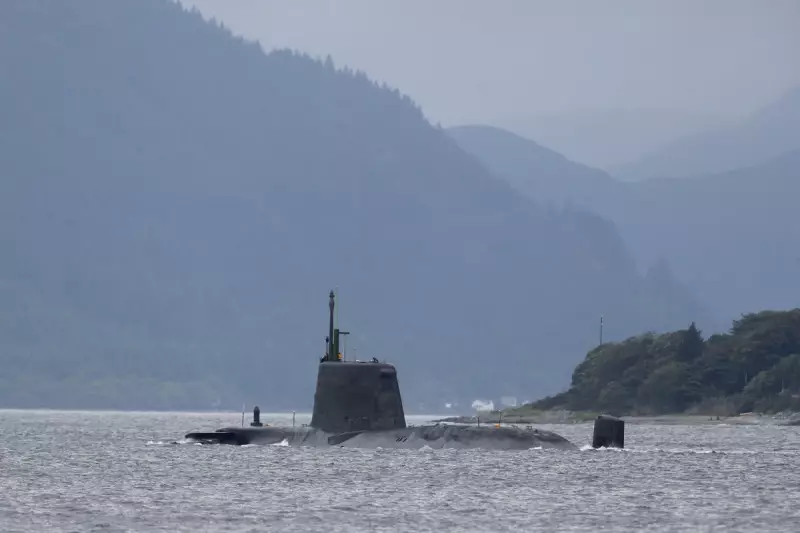
Norway has unveiled a significant expansion of its naval capabilities, committing billions to new submarines and artillery designed to monitor Russian military movements in the North Atlantic. The move underscores heightened regional tensions and a broader surge in defence spending across NATO.
Multi-Billion Crown Submarine Deal
Oslo plans to acquire two additional submarines from German defence contractor Thyssenkrupp Marine Systems (TKMS). This new order builds directly upon a 2021 agreement for four submarines from the same firm, which was initially valued at 45 billion Norwegian crowns (£3.4 billion).
The fresh acquisition is projected to cost 46 billion crowns, pushing Norway's total investment in its new submarine fleet close to a staggering 100 billion crowns (£7.6 billion). Officials attribute the sharp price increase to global inflation in raw materials and soaring demand for military equipment worldwide. Following the deal's confirmation, shares in TKMS rose by 1%.

Strategic Role in NATO and Russian Monitoring
Norway occupies a crucial strategic position for the NATO alliance, responsible for monitoring a vast two million square kilometres of the North Atlantic. This area is a frequent operating ground for Russia's Northern Fleet and its nuclear-armed submarines, which are based on the Kola Peninsula in the Arctic, bordering Norway.
"We see that Russian forces in the North Atlantic and the Barents Sea are increasing their activities," stated Norwegian Defence Minister Tore Sandvik. A primary mission for the new fleet will be to track these Russian vessels. The first of the six submarines is scheduled for delivery in 2029.
Broader Defence Enhancements and NATO Context
Separately, the Norwegian army is set to bolster its firepower with long-range missile systems, capable of striking targets up to 500 kilometres away, at a cost of 19 billion crowns. Defence Minister Sandvik emphasised the necessity of a credible deterrent, stating, "It is important we have a defence capability that can deter a possible enemy from doing us harm."
This substantial investment aligns with a wider trend among NATO members, who have been spurred to increase military budgets following Russia's full-scale invasion of Ukraine and persistent pressure from former US President Donald Trump for allies to spend more on defence. The lessons from the conflict in Ukraine, particularly the dominance of missile warfare, have starkly illustrated to Western nations the urgent need to enhance their own military capabilities.