
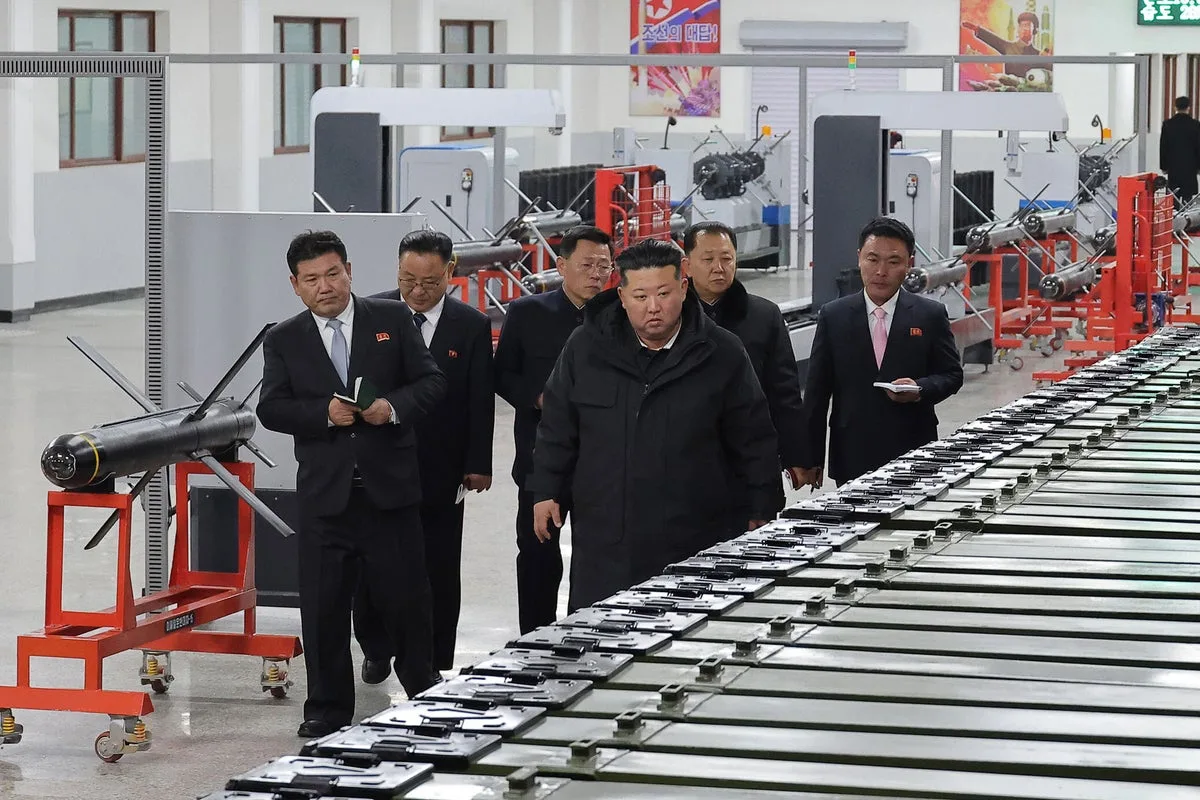
North Korean leader Kim Jong Un oversaw test flights of hypersonic missiles on Sunday, state media reported Monday, citing the need to strengthen the country's nuclear deterrent amid what Pyongyang describes as escalating US-led threats. The tests come as North Korea ramps up weapons displays ahead of a key ruling party conference.
South Korea and Japan confirmed detecting multiple ballistic missile launches, which they condemned as destabilising provocations. The launches occurred days after US forces captured Venezuelan President Nicolas Maduro, an event North Korea cited as evidence of Washington's willingness to use force to topple adversarial governments.
State media quoted Kim as saying the drill confirmed a 'very important technology task for national defence' and stressed the need to 'continuously upgrade the military means, especially offensive weapon systems.' Analysts say the Venezuela situation reinforces Pyongyang's belief that ballistic missiles and nuclear weapons are essential to deter foreign intervention and ensure regime survival.
Possessing a functioning hypersonic weapon would give North Korea the ability to penetrate US and South Korean missile defence shields. While Pyongyang has conducted several hypersonic tests in recent years, foreign experts have doubted they achieved the desired speed and manoeuvrability.
Observers note North Korea aims to showcase weapons development achievements ahead of the ruling party's first congress in five years, where Kim may set a new approach to US relations. The nuclear programme is also expected to be discussed when South Korean President Lee Jae Myung meets Chinese leader Xi Jinping for a summit later Monday.




