Macron to Revise French Nuclear Doctrine in Key European Security Speech
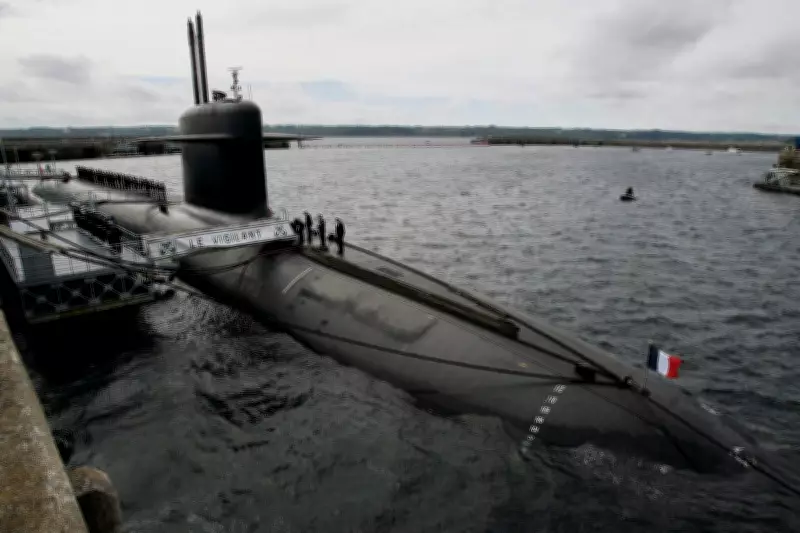
European allies are closely monitoring President Emmanuel Macron as he prepares to deliver a pivotal speech updating France's nuclear deterrence doctrine. The address, scheduled for Monday from a military base housing the nation's ballistic missile submarines, will detail how French nuclear weapons integrate into Europe's security framework.
Addressing Continental Concerns Amid Global Tensions
Macron is expected to articulate France's strategic vision, clarifying the role of its nuclear arsenal in European defence. This comes amid heightened anxieties on the continent due to recurring tensions with U.S. President Donald Trump over issues like Ukraine, Greenland, and NATO commitments. The speech, long-planned, proceeds despite escalating conflicts around Iran, with a French official noting that current Middle East violence underscores the necessity of France's autonomous power and independence to counter emerging threats.
European leaders have expressed increasing scepticism regarding U.S. assurances under the nuclear umbrella policy, traditionally designed to shield allies, especially NATO members, with American nuclear forces during crises. As the sole nuclear power within the European Union, France's stance is pivotal. Macron's office indicated the speech will expand upon his 2020 address on nuclear deterrence, delivered prior to Russia's full-scale invasion of Ukraine, which dramatically altered Europe's security landscape.

Potential for European Cooperation and Dialogue
No specifics have been revealed ahead of the speech, but some European nations have already engaged with Macron's offer from last year to discuss France's nuclear deterrence and involve partners in nuclear exercises. German Chancellor Friedrich Merz recently disclosed "initial talks" with Macron on the subject, publicly speculating about the potential use of German Air Force planes to transport French nuclear bombs.
"We have to re-articulate nuclear deterrence," Macron stated at the Munich Security Council this month. He highlighted that France has initiated "a strategic dialogue" with Merz and other European leaders "to explore how we can align our national doctrine, which is constitutionally guaranteed and controlled, with special cooperation, shared exercises, and common security interests."
Independent Yet Coordinated Nuclear Forces
In July, France and Britain signed a joint declaration enabling coordination between their independent nuclear forces. The United Kingdom, though no longer an EU member, remains a NATO ally and is the only other European nation with a nuclear deterrent. Macron has consistently emphasised that any decision to deploy France's nuclear weapons rests solely with the French president, maintaining national sovereignty over this critical aspect of defence policy.
This speech marks a significant moment in European security discourse, as Macron seeks to redefine deterrence in an era of shifting alliances and global uncertainties, reinforcing France's role as a key player in continental defence strategies.