Ireland's Fuel Crisis Deepens: Defence Forces on Standby as Protests Enter Fourth Day
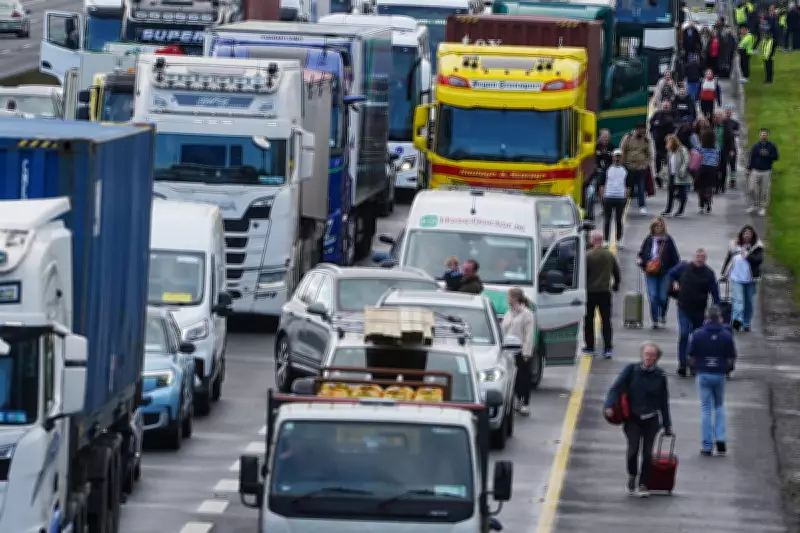
Fuel supplies across Ireland are confronting critical shortages as a blockade of major depots by hauliers and agricultural contractors enters its fourth consecutive day. The protests, driven by demands for government intervention to address soaring fuel costs, have effectively paralysed key distribution hubs, including an oil refinery in County Cork and depots in Galway and Limerick.
Enforcement Phase Initiated with Military Support
In response to the escalating situation, An Garda Siochana, the Irish police service, has initiated an enforcement phase. This operation is being supported by the military, with the Defence Forces officially on standby to assist in clearing heavy vehicles obstructing access to vital fuel depots. The move underscores the severity of the crisis, as authorities grapple with maintaining public order and restoring supply chains.
Widespread Disruptions and Panic Buying
The blockades have precipitated a cascade of disruptions across the nation:

- Forecourts are running dry, leading to widespread panic buying among consumers.
- Essential services, including emergency vehicle fuel supplies, are under threat, raising alarms about potential impacts on public safety.
- Medical care is severely affected, with reports of people missing critical appointments and treatments due to transportation issues.
Additionally, concerns have been raised about animal welfare, as the provision of animal feed and fertiliser is threatened by the ongoing protests. The cumulative effect highlights the profound vulnerability of Ireland's infrastructure to sustained industrial action.
Broader Implications for Healthcare and Economy
The fuel crisis extends beyond immediate shortages, posing long-term risks to healthcare delivery and economic stability. Hospitals and clinics are scrambling to secure fuel for ambulances and medical staff, while businesses reliant on transportation face operational halts. As the protests persist, the government faces mounting pressure to negotiate a resolution, balancing economic relief for protesters with the urgent need to restore normalcy to a nation in distress.