
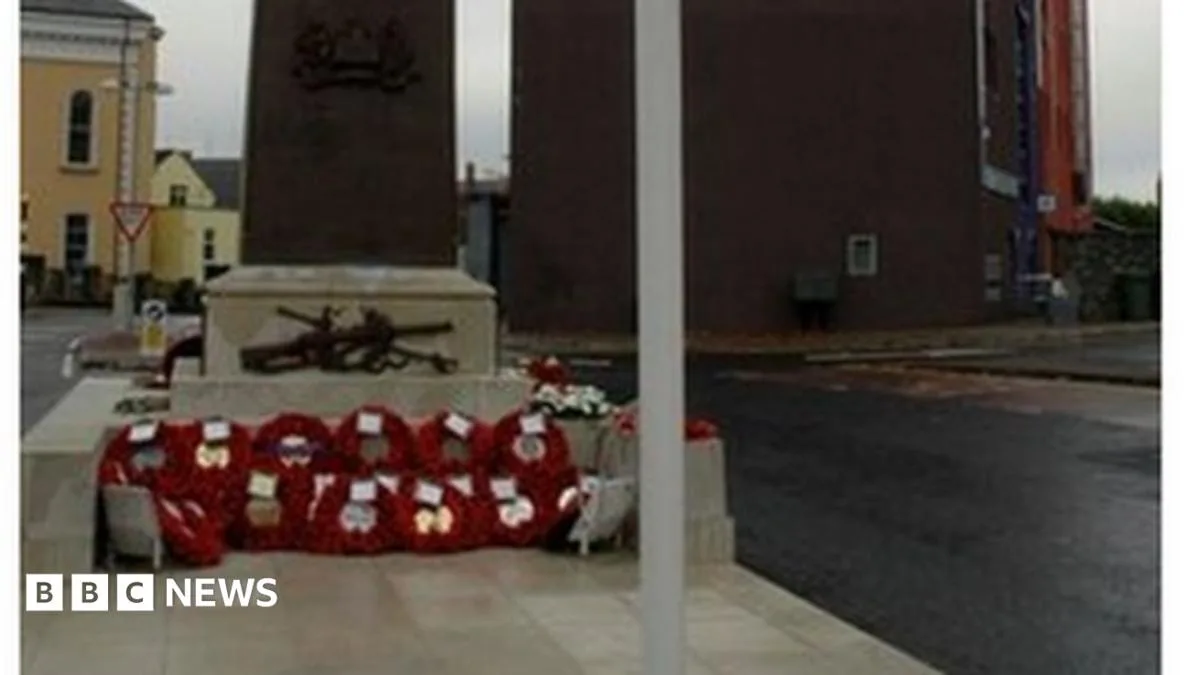
Survivors and relatives of the 1987 Enniskillen bombing have called on Northern Ireland's Deputy First Minister Martin McGuinness to cooperate with any new police investigation into the attack. The bomb, which killed 11 people and injured 63, was described by then-Prime Minister Margaret Thatcher as a 'desecration' and 'utterly barbaric'. The Historical Enquiries Team (HET) has completed its review and passed a file to the Police Service of Northern Ireland's Serious Crime Branch, raising hopes of a fresh inquiry.
Daphne Stephenson, who was injured in the blast, told the BBC that victims feel forgotten. 'There was millions spent on the Bloody Sunday inquiry, it seems there is justice for some parts of the community and not for others. Why isn't there any inquiry for us?' she said. She added that questions remain about why police did not search the reading rooms where the bomb was planted, and what Martin McGuinness knows about the attack.
Police sources claim the IRA's Northern Command, of which McGuinness is alleged to have been a member, sanctioned the bombing in advance. McGuinness has denied this and any advance knowledge. It has also been claimed he visited the IRA unit responsible shortly after the attack to ask what went wrong. He has said that if he did attend such a meeting, it was as a senior Sinn Fein member. Sinn Fein stated that McGuinness has repeatedly said he knows nothing about the bombing.
Unionist politicians and victims' families have urged McGuinness to demonstrate his stated shame by cooperating with any police investigation. A former officer involved in the case said a conviction is unlikely unless someone with direct knowledge comes forward. The HET has reviewed around 1,700 Troubles killings and referred only 31 files to the PSNI; the Enniskillen case may have a new witness.
The bombing had major repercussions for the IRA, sparking internal debate that contributed to the peace process. Libya, which had supplied weapons including Semtex, withdrew support after the attack. A ship carrying a huge consignment of arms from Libya had been intercepted shortly before the bombing, and no further shipments were sent afterwards.




