
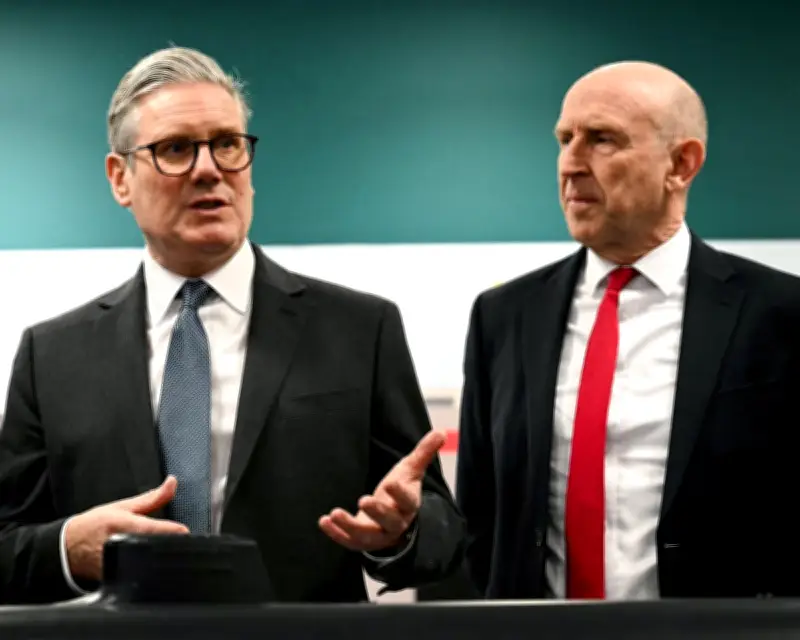
Keir Starmer’s reputation on defence lies in tatters after John Healey’s resignation with a damning letter. The defence secretary accused the prime minister and chancellor of making the country “less safe”, a rare principled departure from a loyalist cabinet minister.
Global wars and depleted military
The government faces the most dangerous world in decades, with conflicts in the Middle East and Ukraine, threats from China and Russia, and an unpredictable White House. It inherits hollowed-out armed forces and a withering industrial base. The opposition, which previously cut defence while increasing welfare, now demands the opposite.
Chancellor boxed in by tax pledges
Rachel Reeves is constrained by Labour’s tax promises, while cabinet ministers resist cuts to schools, energy, and hospitals. Labour MPs prioritise domestic spending over defence. Starmer appears to prevaricate, lacking authority to force unpopular cuts, and attempted to bounce Healey into a plan at the last minute.
Healey’s letter described the chancellor as “unwilling” and the prime minister as “unable”. The question remains where billions can be found without a plan for welfare reforms or a narrative to convince the public that defence spending, which often goes abroad, improves their lives.
Chaos and cancelled engagements
Departments only recently considered spending cuts; Healey saw full sums on Monday, billions less than expected. A joint press conference with the Australian defence minister was cancelled. Defence chiefs believe the centre avoids hard decisions, while the Treasury sees waste in defence procurement and resents military figures demanding billions without facing backlash for cuts.
The dysfunction raises questions about Starmer’s future, with MPs hoping Andy Burnham’s potential return to Westminster might offer change. However, Burnham would face the same choices: altering fiscal rules, breaking tax pledges, cutting spending, or justifying cuts to a public and restless MPs.




