Gulf Nations Face Critical Air Defence Shortage Within Days, Experts Warn
Military analysts are sounding alarms that Gulf countries could exhaust their air defence stockpiles within a week as they struggle to counter sustained Iranian missile and drone attacks. The Middle East has been engulfed in conflict since Saturday, February 28, when joint US and Israeli strikes targeted key Iranian sites, resulting in the death of Supreme Leader Ayatollah Ali Khamenei.
Interceptor Usage Reaching Unsustainable Levels
Fabian Hoffmann, a missile expert at the University of Oslo, stated in an interview that the current intensity of interceptor deployment cannot be maintained beyond another week. "The intensity of interceptor usage that we have seen over the last couple of days can't be maintained for more than another week – probably a couple of days at most, and then they will feel the pain of interceptor shortage," Hoffmann told reporters.
The sustained defensive effort has placed enormous strain on US-supplied systems protecting cities across the region. Each incoming ballistic missile requires two to three interceptors from Patriot or Thaad systems, creating massive ammunition consumption regardless of cost.
Regional Defence Capacities Under Pressure
By Monday evening, the United Arab Emirates had reportedly intercepted 174 ballistic missiles, eight cruise missiles, and 689 drones across three days of bombardment. While none of the missiles penetrated defences, 44 drones managed to reach their targets.
Other Gulf nations have faced similar onslaughts:
- Bahrain has had 70 ballistic missiles fired at its territory
- Iranian drones struck the US embassy in Kuwait
- Qatar's principal liquefied natural gas facility was hit
Secret Stockpile Numbers Reveal Vulnerability
While exact interceptor numbers remain state secrets, intelligence reports suggest concerningly low reserves:
- The UAE may have fewer than 1,000 interceptors remaining
- Kuwait's reserves sit at approximately 500
- Bahrain maintains only around 100 interceptors
The situation is exacerbated by Gulf forces using expensive Patriot batteries against Iran's cheap Shaheed drones, burning through premium ammunition to neutralize low-cost threats. Tehran's arsenal contains upwards of 2,000 missiles within range of Gulf territory, creating a severe numerical disadvantage for defensive systems.
US Response and Strategic Countermeasures
Concerns about Washington's weapons reserves for prolonged conflict have been growing, though former President Donald Trump dismissed these worries in a Truth Social post. "As was stated to me today, we have a virtually unlimited supply of these weapons. Wars can be fought 'forever', and very successfully, using just these supplies," Trump wrote.
However, he acknowledged that stocks of premium weapons were "not where we want to be." Meanwhile, US and Israeli forces have been systematically targeting Iranian launch infrastructure in an attempt to choke off the supply of incoming fire at its source. Intelligence officials confirm dozens of launch systems have been disabled through these precision strikes.
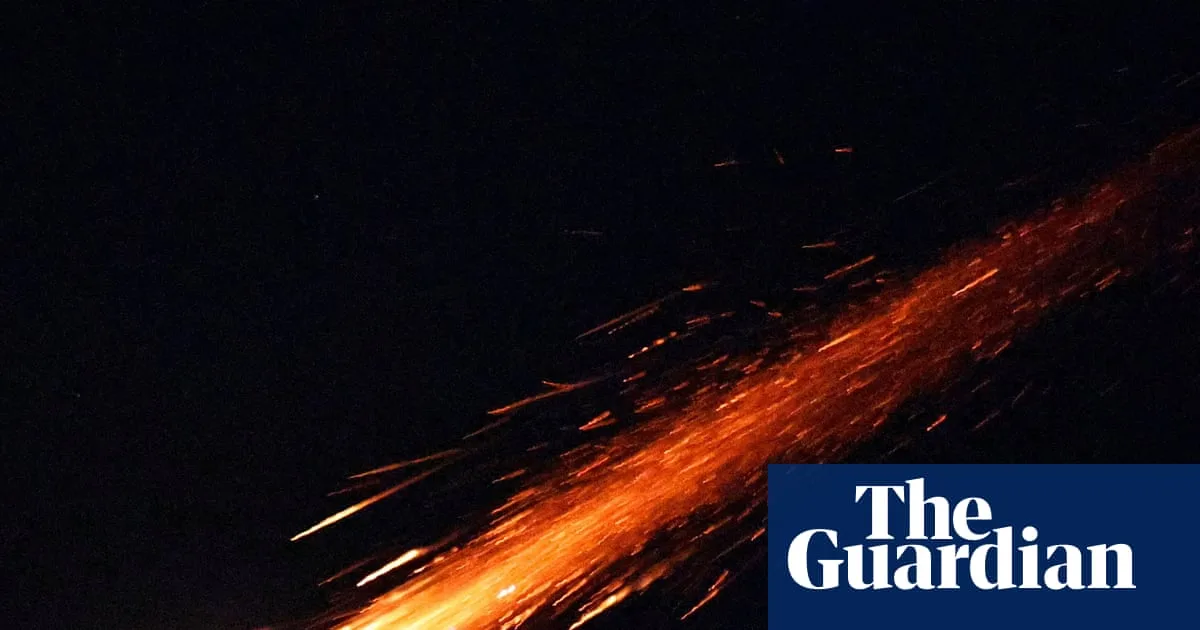
The conflict has caused widespread panic across the Middle East, with social media flooded with images of smoke-filled skies and explosions. The coming days will test whether Gulf nations can maintain their defensive capabilities against Iran's substantial missile arsenal or face potentially devastating breaches in their air defence networks.




