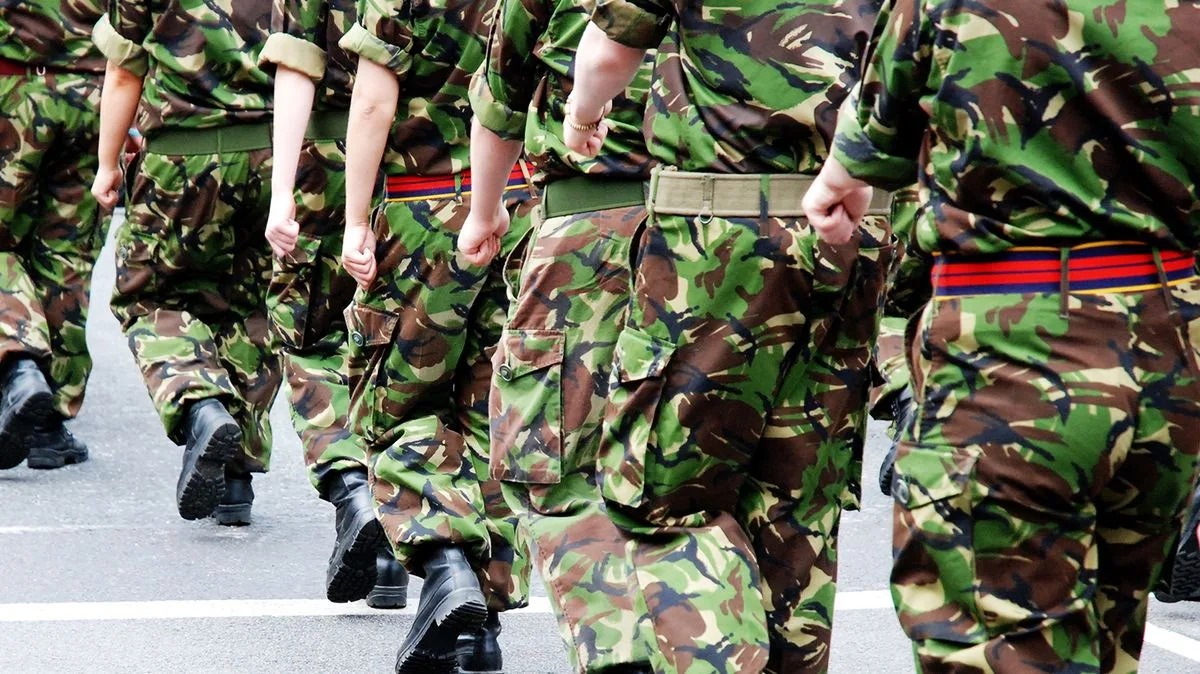
Amidst escalating international tensions and concerns over dwindling British Army numbers, a stark warning has emerged about the potential return of conscription in the United Kingdom. While Prime Minister Keir Starmer has stated that "nobody is talking about conscription" currently, senior military figures and defence experts are urging the government and public to prepare for the possibility.
Experts Sound the Alarm on National Mobilisation
The debate was ignited after General Sir Patrick Sanders, the outgoing Chief of the General Staff, warned the government last year to prepare the British public for conscription "within six years" if the threat from adversaries like Vladimir Putin continues to grow. This sentiment is echoed by former British Army officer and ex-MP, Dr Mike Martin.
Dr Martin told the Big Issue in 2025 that in the event of a "big war", conscription would happen "straight away". He emphasised that despite advances in drone technology, human soldiers are still essential for holding ground and occupying territory, a reality he believes will not change for a considerable time.
The Five Groups Most Vulnerable to a Draft
If conscription were to be enacted, history and current analysis suggest specific demographics would be called upon first. Based on historical precedent from World War II and modern assessments, these are the five groups most likely to be affected.
1. Young Men Aged 18 to 25
This group has traditionally formed the backbone of any conscripted force. During the Second World War, men aged 21 and 22 were called up even before the conflict officially began in 1939. As the war progressed, the age bracket was significantly widened to include all men from 18 to 41 years old.
2. Single, Childless Individuals
In a bid to minimise domestic disruption, single people without dependent children have historically been drafted first. This policy, used extensively during WWII, aimed to keep families together for as long as possible before requiring parents to serve.
3. Women Aged 20 to 30
The notion that women would be exempt from a modern draft is fading. While they have never been conscripted into frontline combat roles in UK history, women played a vital part in the war effort during WWII in nursing, munitions, and auxiliary positions. Public opinion appears to support a broader role, with a recent YouGov poll finding 72% of Brits support women serving on the frontlines.
4. Former Soldiers and Reservists
Individuals with prior military training and experience would be among the first mobilised. Former soldiers and current reservists possess crucial skills that would be in immediate demand, placing them high on any call-up list.
5. Anyone Aged Up to 51
In a prolonged, total war scenario, the age limit for conscription can stretch dramatically. By the end of WWII, the UK was drafting people up to the age of 51. Those even older, between 52 and 60, were often enlisted into civil defence roles to support the national effort.
A Nation on Alert
The discussion around conscription is no longer a historical footnote but a live issue in defence circles. The warnings from figures like General Sanders and Dr Martin highlight a growing concern over the UK's preparedness for a large-scale, peer-on-peer conflict. While the government maintains no current plans for a draft, the combination of low army numbers and high global instability has forced a difficult conversation about national resilience and who would be required to serve if the worst should happen.




