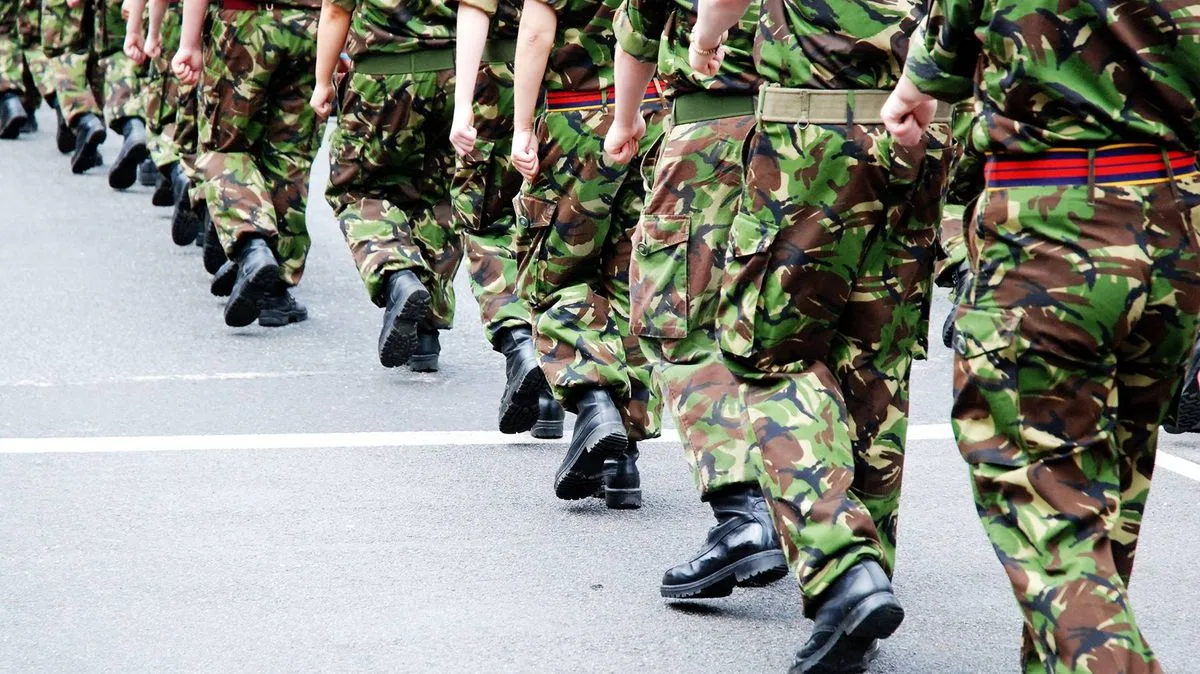
With global tensions escalating and a new military gap year programme set to launch, the once-unthinkable topic of national conscription is back in the public discourse. Starting in March, Britons under 25 will be offered a voluntary taste of military life, designed to boost recruitment and build skills against a backdrop of heightened threats from Russia.
Lessons from History: Who Was Spared in WW2?
While the UK has not seen mass conscription since the Second World War, the historical blueprint provides a stark guide. In that conflict, the government deemed certain professions too vital to the nation's survival to be called to the front lines. These exempt roles included bakers, farmers, doctors, nurses, and engineers – all essential for keeping the country fed, healthy, and functioning.
The legal framework for call-up evolved rapidly as the crisis deepened. In May 1939, the Military Training Act introduced limited conscription for single men aged 20 to 22, requiring six months of training. When war was declared on 3 September 1939, Parliament passed the National Service (Armed Forces) Act, extending conscription to all men aged 18 to 41.
Those medically unfit or working in key industries were exempted. Furthermore, individuals with profound moral objections, known as 'conscientious objectors', faced tribunals and were often directed into non-combat roles that supported the war effort.
The Expanding Net of National Service
As the war dragged on, the need for manpower saw the conscription net widen significantly. By the end of 1941, conscription was extended to include childless widows and women aged 20 to 30. Men up to the age of 51 were called up for military duty, and even those aged 52 to 60 were required to perform some form of military service.
The government's reasoning was clear: there were simply not enough volunteers for critical civilian defence and auxiliary military roles. This historical precedent underscores how a total war scenario can transform societal expectations of service.
Modern Warnings and the Deterrent of Strength
Discussing the potential for a future conflict, Afghanistan veteran and Tunbridge Wells MP Mike Martin offered a sobering assessment. He warned the Express that "there's a significant chance" of war with Russia, necessitating preparation. "Obviously, if we get involved in a general war with Russia, we'll be conscripting the population - there's no question about that," stated the Liberal Democrat MP.
However, he crucially added that military readiness serves as a powerful deterrent. "Being prepared generates deterrence, which decreases the likelihood [of war]. The whole point about building the military up is that it decreases the likelihood of this happening," Martin emphasised, framing strength as a pathway to peace.
The new gap year scheme, while voluntary, is a clear step towards bolstering national resilience. It offers a generation a chance to develop discipline and skills, whether they choose a military career or not. Yet, it also reignites a fundamental question for every citizen: in a moment of ultimate national crisis, would your profession be considered indispensable?




