Cabinet Infighting Erupts Over Defence Spending as Chancellor Resists £28bn Boost
Chancellor Rachel Reeves finds herself at the centre of a bitter Cabinet dispute over defence funding, with growing alarm about Britain's diminished military capabilities in an increasingly dangerous world. The Treasury chief is resisting intense pressure to address an estimated £28 billion black hole in defence budgets over the next four years, instead offering just £10 billion in additional funding.
Military Leaders Sound Alarm Over Funding Crisis
Two former Labour defence secretaries have added their voices to warnings that Britain has been left in "peril" by inadequate investment in the armed forces. The wrangling comes despite mounting concerns about global security threats, including tensions with Russia and chaos in the Middle East.
Former NATO chief Lord Robertson delivered a stark warning, stating that "the cold reality of today's dangerous world is that we cannot defend Britain with an ever-expanding welfare budget." His comments followed Ms Reeves' decision to scrap the two-child benefit cap and abandon efforts to curb spiralling welfare payments.

Defence Secretary Pushes for Greater Investment
Defence Secretary John Healey is believed to be pushing for significantly more than the £10 billion extra funding proposed by the Treasury over the next four years. He points to increasing demands on the military from multiple global flashpoints that require substantial additional resources.
Lord Hutton, who served as both defence and work and pensions secretary in the previous Labour government, described the defence funding issue as the "defining moment" in Keir Starmer's premiership. He warned that the Prime Minister has "a very, very short period of time to start putting this right" and must "get a grip on the rising welfare budget."
Budget Constraints and Treasury Demands
The Treasury is pushing the Ministry of Defence to find £3.5 billion in cuts this year alone – almost exactly the cost of scrapping the two-child benefits cap. This comes despite Ms Reeves having already imposed more than £75 billion worth of annual tax increases, which have been consumed by a slowing economy, expanded benefits, substantial public sector pay awards, and higher debt interest costs.
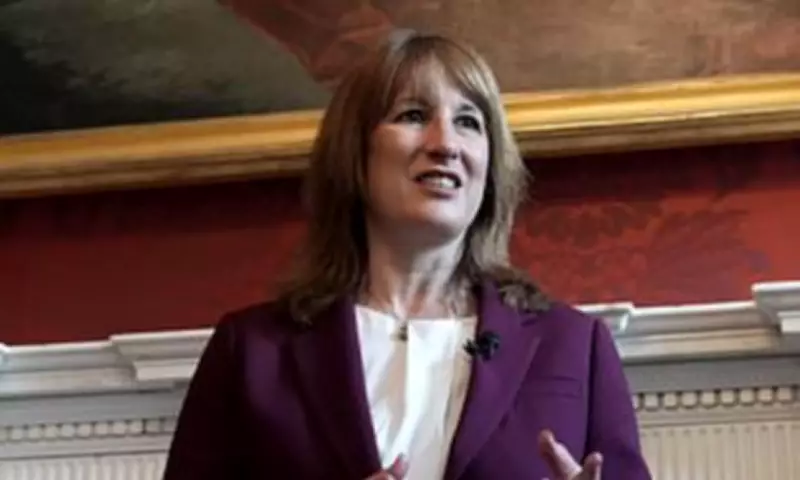
Labour's former deputy leader Harriet Harman has suggested means-testing the pension triple lock as a potential source of defence funding, telling the BBC: "If you're strapped for cash and need to divert some money to defence, that is one place to be looking."
Delayed Defence Investment Plan
Ministers were unable to confirm when the long-awaited ten-year Defence Investment Plan would be published, despite it having been on the Prime Minister's desk for months. Last year, Mr Healey promised the plan would be published by Autumn, but its release remains uncertain.
The Chancellor has signalled she is unwilling to reconsider future defence spending until a planned comprehensive spending review in the summer of 2027, creating further tension within the Cabinet.
Conflicting Priorities and International Commitments
The Government has committed to spending 2.5 per cent of GDP on defence by 2027, with a vague "ambition" to increase that to 3 per cent in the next Parliament. This falls short of the NATO-agreed target of hitting 3.5 per cent by 2035, raising questions about Britain's commitment to international security alliances.
Lord Robertson, who authored the Government's strategic defence review last year, accused Ms Reeves of blocking funding for the Armed Forces and urged ministers to free up cash by reducing the "bloated" benefits budget. He highlighted that "Britain's welfare budget is now five times the amount we spend on defence" and questioned whether this represented the right priorities for national security.
Government Response and Current Investments
Touring broadcast studios, Treasury Chief Secretary James Murray expressed respect for Lord Robertson but argued that "on the question of welfare and defence spending, it's not a zero-sum game." He emphasised that the government had committed to "the biggest sustained increase in defence investments since the Cold War" while simultaneously reforming the welfare system.

An MoD spokesman stated: "The defence budget is rising to record levels as this Government delivers the biggest boost to defence spending since the Cold War, totalling £270 billion this parliament alone. We are finalising our Defence Investment Plan that we will publish as soon as possible, putting the best kit and technology into the hands of our forces."
The spokesman added that demands on defence are increasing due to "growing Russian aggression, the crisis in the Middle East and increasing operational requirements," highlighting the urgent need for adequate funding to address these multiple challenges.