
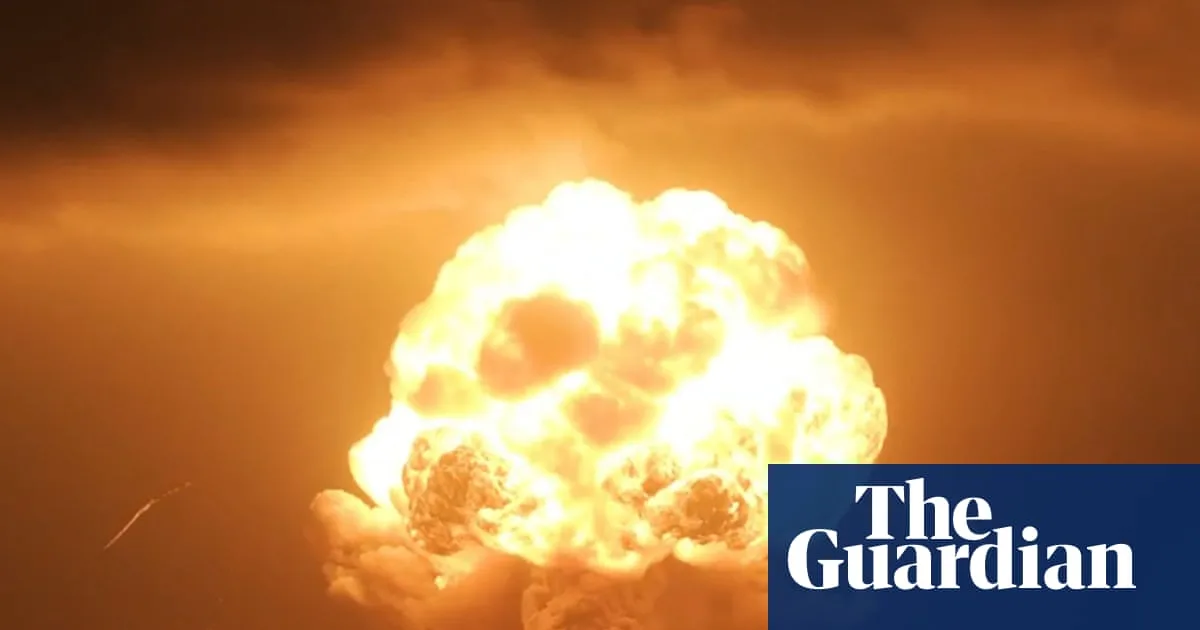
Blue Origin has pledged to resume flights of its New Glenn rocket before the end of the year, despite a catastrophic launchpad explosion last month that destroyed the vehicle and severely damaged surrounding infrastructure. The incident, which occurred at Cape Canaveral Space Force Station's Launch Complex 36A, was visible from more than 100 miles away.
Chief executive Dave Limp posted on X on 1 June: “We will fly again before the end of this year. Gradatim Ferociter,” using the company's Latin motto meaning “Step by step, ferociously”. John Couluris, senior vice-president of lunar permanence, reiterated the timeline at a Nasa event in Houston, stating that progress on the investigation and pad cleanup was “excellent”.
The explosion was seen as a major setback for Nasa's Artemis programme, particularly the Artemis III mission planned for late 2027, which will test Blue Origin's Blue Moon lander alongside SpaceX's Starship Human Landing System. Blue Moon is designed exclusively for New Glenn, and Nasa faces the possibility of having to reconfigure it for another rocket, such as Falcon Heavy, if New Glenn is not restored quickly.
Nasa administrator Jared Isaacman has promised a “whole government response” to support Blue Origin, including deploying subject matter experts to investigate the root cause and assist with pad rebuild. The urgency is driven by the need to keep Blue Moon on track for Artemis III and the subsequent Artemis IV mission, which aims to return humans to the lunar surface by 2028.
Isaacman said the agency was “decoupling” Blue Moon from the rocket and launchpad to maintain flexibility, adding: “We’re going to be able to keep that lander in development, progressing, so it’s available for our test mission in 2027.” He described the explosion as “a setback that happens in this business”, emphasising the need to learn and move forward.
Blue Origin's recovery effort has been described as the most intense since the Columbia space shuttle tragedy in 2003. The company benefits from Jeff Bezos's financial resources and support from the US Space Force. Early assessments suggest the launchpad damage may be less severe than initially feared, raising hopes for a swift return to flight.




