WWIII Conscription: 5 Vital UK Jobs That Would Be Exempt From Call-Up
5 UK jobs exempt from WWIII conscription

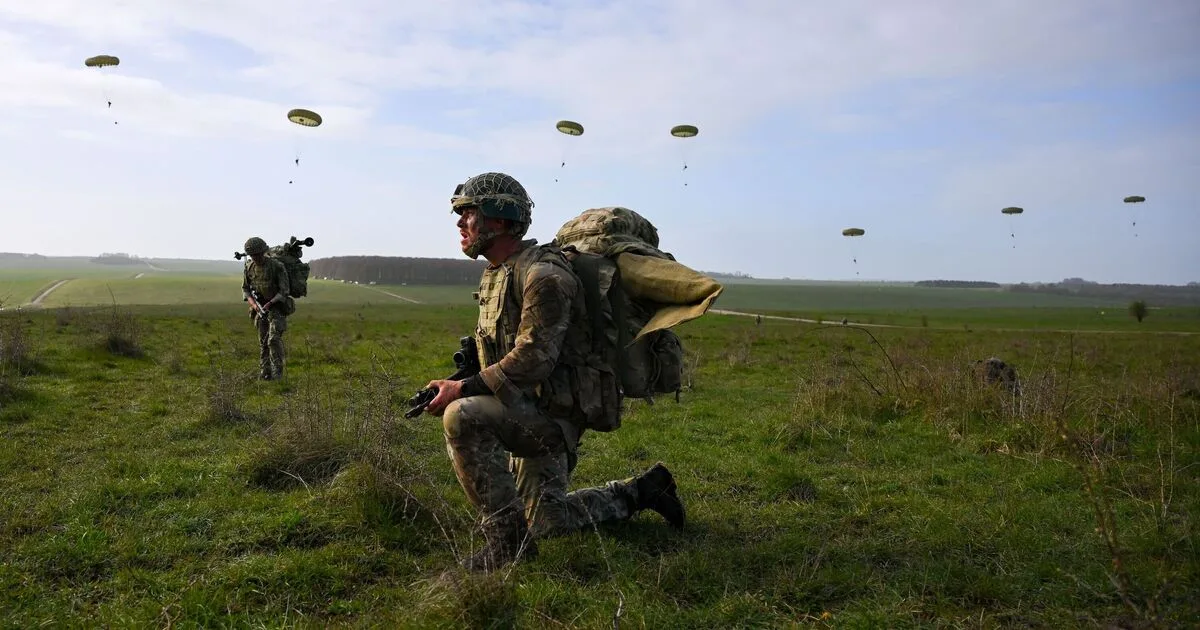
With global tensions rising, the UK government is set to introduce a new 'gap year soldiers' programme from March, aimed at Britons under the age of 25. This initiative, designed to boost military recruitment and build skills, has reignited discussions about the potential for full-scale national conscription should a wider conflict, such as a World War III scenario, erupt.

Learning from History: WWII's Exemptions

While the exact shape of modern conscription remains undefined, the precedents set during the Second World War offer a clear blueprint. In 1939, the National Service (Armed Forces) Act mandated conscription for all males aged 18 to 41. However, critical exemptions were made for individuals in professions deemed essential to keeping the nation functioning.

Those excused from frontline service included bakers, farmers, doctors, nurses, and engineers. Their roles in maintaining food supplies, healthcare, and infrastructure were considered irreplaceable. Furthermore, individuals with moral objections, known as 'conscientious objectors', could face tribunals and were often directed into vital non-combat support roles.

The Modern Context: A New Military Scheme

The forthcoming gap year programme, opening to under-25s from March, is a voluntary scheme intended to introduce civilians to military life. Participants face no obligation to join full-time, but those who choose to stay with the Armed Forces will receive further training for operational deployment.

This move comes amid stark warnings from figures like Afghanistan veteran and Tunbridge Wells MP Mike Martin. He told the Express, "There's a significant chance that it [war with Russia] might happen, so we must be prepared." He added that in a general war, conscripting the population would be inevitable, but that military strength serves as a crucial deterrent.

Who Would Be 'Too Valuable' to Serve?

Applying historical logic to a hypothetical contemporary conflict, several key sectors would likely see their workforce protected to ensure societal stability. Based on the WWII model, the following five job categories would be strong candidates for exemption from conscription:

  • Healthcare Professionals: Doctors, nurses, and specialists would be indispensable for treating military and civilian casualties.
  • Food Production & Agriculture: Farmers and food scientists would be critical for national food security.
  • Essential Infrastructure Engineers: Civil, electrical, and mechanical engineers needed to maintain power, water, and transport networks.
  • Utility & Energy Workers: Those keeping the lights on, water flowing, and communications active.
  • Certain STEM Specialists: Experts in cybersecurity, logistics, and defence technology could be retained for strategic support roles.

It is worth noting that conscription in WWII expanded dramatically as the conflict progressed. By late 1941, women and childless widows aged 20-30 were enlisted, and the age range for men was extended up to 51. Even those aged 52 to 60 were required to perform some form of military service.

The launch of the gap year scheme underscores a renewed governmental focus on defence preparedness. As MP Mike Martin emphasised, the goal of building military capacity is to achieve "peace through strength," hoping that a credible deterrent makes the dire prospect of mass conscription less likely.




