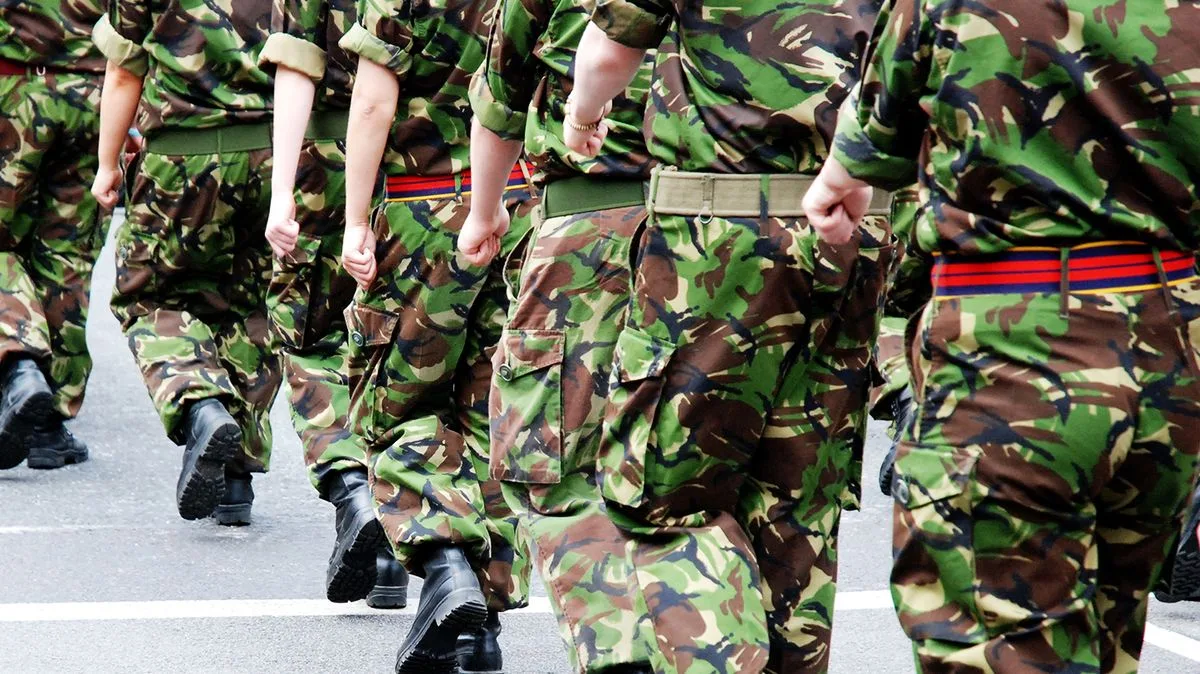
WW3 Conscription Alert: The 5 UK Groups Most Likely to be Called Up
5 UK groups most likely to face WW3 conscription

Amidst escalating global tensions and a shrinking British Army, stark warnings have emerged about the potential return of conscription in the event of a major conflict. While Prime Minister Keir Starmer has stated that "nobody is talking about conscription" currently, senior military figures and defence experts are urging the government and public to prepare for the possibility.

Experts Sound the Alarm on National Mobilisation

The debate has been ignited by high-profile interventions. General Sir Patrick Sanders, the former Chief of the General Staff, warned the government last year to prepare the British public for conscription "within six years" if the threat from adversaries like Vladimir Putin's Russia continues to grow.

Echoing this sobering assessment, former MP and ex-British Army officer Dr Mike Martin told the Big Issue that conscription would be inevitable in a large-scale war. "Obviously if we got into a big war, we’d have conscription straight away," he stated, dismissing the idea that technology alone could replace human soldiers. "We’re not at a stage yet where you can replace people with drones... you still need people to occupy villages, hold ground."

The Five Groups First in Line for the Draft

If conscription were enacted, history and current military logic suggest specific demographics would be prioritised. Based on analysis reported by the Express, these are the five groups most likely to be called upon.

1. Young Men Aged 18 to 25

This group forms the traditional backbone of any conscripted force. During the Second World War, the call-up began with men aged 21 and 22 even before war was declared in 1939. As the conflict progressed, the age range was significantly expanded.

2. Single, Childless Individuals

Historical precedent shows that during WWII, single people without dependants were drafted first. This policy aimed to minimise the immediate disruption to family units and the care of children.

3. Women Aged 20 to 30

The notion that conscription would only apply to men is outdated. While women have never been drafted into frontline combat roles in UK history, they played a vast and vital role in WWII in nursing, munitions, logistics, and auxiliary positions. Public opinion appears to support a broader role, with a recent YouGov poll finding 72% of Brits support women serving on the frontlines.

4. Former Soldiers and Reservists

Individuals with prior military training and experience would be among the first mobilised. Their existing skills make them immediately valuable, allowing for quicker deployment and unit formation compared to raw recruits.

5. Anyone Aged Up to 51

In a prolonged, total war, the age bracket for conscription would almost certainly widen. By the end of WWII, the UK was drafting men up to the age of 51. Those even older, between 52 and 60, were enlisted into civil defence roles to support the war effort on the home front.

A Nation Prepared? The Looming Defence Question

These warnings highlight a critical tension between current political rhetoric and military planning for worst-case scenarios. The discussions are not about an imminent policy change but a contingency for a potential future of heightened conflict. The prospect forces a difficult national conversation about the UK's defence capabilities, societal obligations, and the realities of modern warfare in an increasingly unstable world.

While the government maintains no plans for a draft, the expert consensus suggests that if a major war—a so-called World War 3—were to erupt, the UK's current voluntary military model could rapidly become unsustainable, leading to a swift return of conscription targeting these key groups.




