
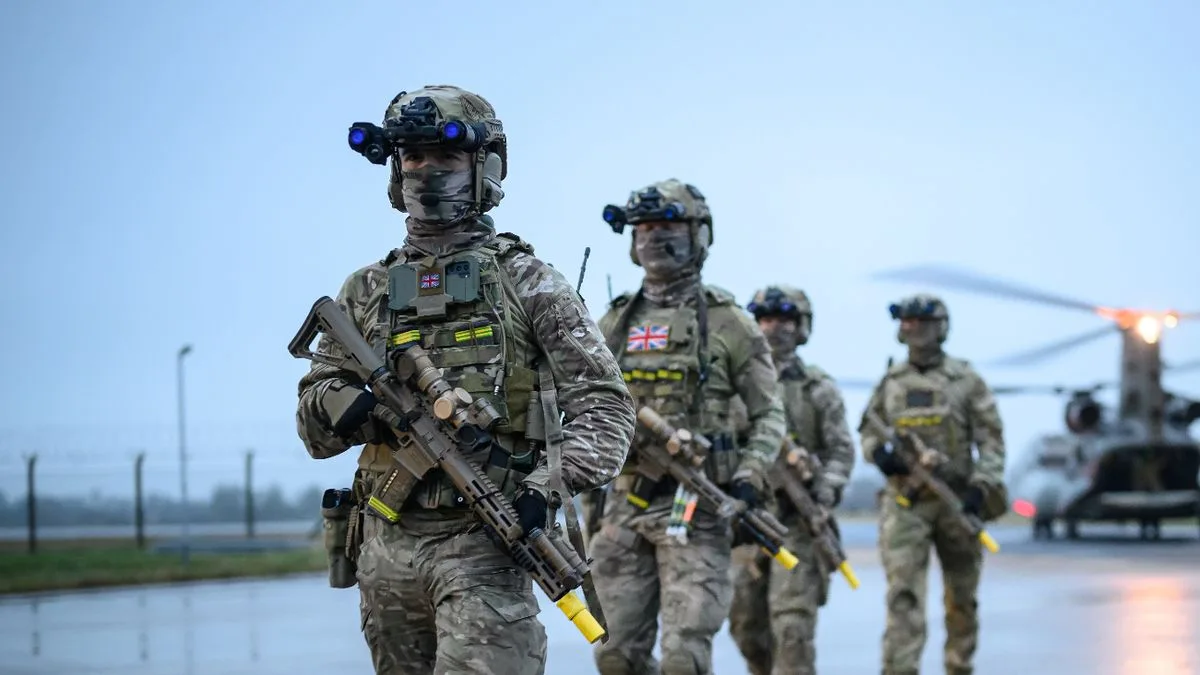
As global tensions escalate, fears of a Third World War have resurfaced, prompting discussions about potential conscription in the UK. However, historical precedent from World War II suggests that certain professions may be considered too vital to national security to be called up for military service.
During WWII, workers in essential sectors such as baking, farming, medicine, and engineering were exempt from conscription. These roles were deemed critical to maintaining the war effort on the home front, ensuring food supply, healthcare, and infrastructure. Conscientious objectors were also assigned to non-combatant roles after facing tribunals.
Recent comments by Liberal Democrat MP Mike Martin, an Afghanistan veteran, have reignited the debate. He told the Express that conscription "will happen" if the UK enters a general war with Russia, adding that being prepared creates deterrence. Sir Keir Starmer has already pledged to deploy British forces to Ukraine, while missile attacks and US air strikes in Iran have heightened the sense of imminent conflict.
Under the National Service (Armed Forces) Act of 1939, all men aged 18 to 41 were conscripted, but exemptions were granted for those in key industries and jobs, as well as the medically unfit. By 1941, women and childless widows aged 20 to 30 were also called up, and men up to 51 were conscripted for military service.
While modern conscription rules remain uncertain, historical patterns indicate that bakers, farmers, doctors, nurses, and engineers could avoid frontline duty. The UK Parliament website notes that these exemptions were designed to keep essential services running during wartime.




