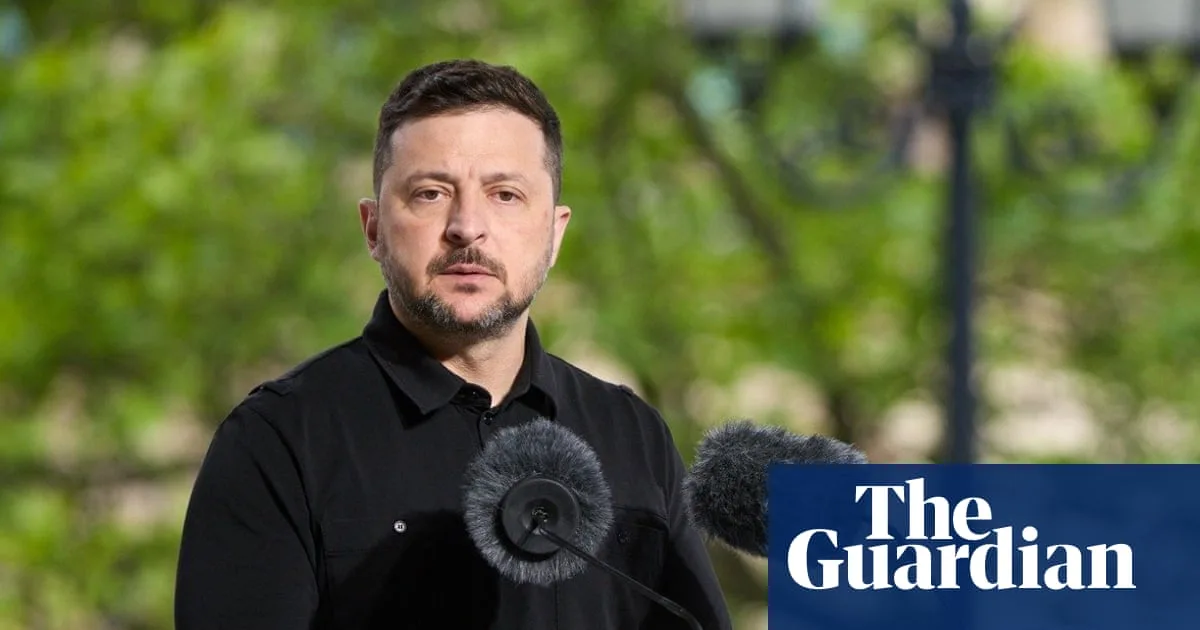
A Russian missile strike has devastated a residential building in the Ukrainian city of Kryvyi Rih, President Volodymyr Zelenskyy's hometown, killing at least 26 people. The State Emergency Service of Ukraine confirmed the death toll on Thursday, which included six children, marking one of the deadliest recent attacks on civilian infrastructure.
Escalating Threats and International Tensions
The attack on Kryvyi Rih, located in the Dnipropetrovsk region, occurred amidst a stark warning from the Kremlin regarding proposed European security guarantees for Ukraine. Russia's foreign ministry spokesperson, Maria Zakharova, stated on Thursday that any NATO peacekeeping forces deployed to Ukraine would be considered "legitimate military targets." She labelled plans discussed by European leaders this week for a post-war multinational force as "dangerous" and "destructive," accusing Kyiv's allies of forming an "axis of war."
These discussions, involving British and French leaders in Paris, envision a stabilisation force to be deployed after fighting ceases. However, former US army Europe commanding general Ben Hodges warned that such a force would require thousands of combat troops to effectively deter Russian provocations and uphold a ceasefire.
Warnings of Further Massive Attacks
As the war entered its 1,416th day, security alerts intensified across Ukraine. The US embassy in Kyiv issued a warning of a "potentially significant air attack" that could occur within days. President Zelenskyy echoed this concern in his evening address, urging citizens to heed air raid sirens. "There may be another massive Russian attack," he stated, advising people to seek shelter.
These warnings materialised early on Friday when Russian drones struck targets in the capital, Kyiv, igniting fires in an apartment building and a shopping centre. At least four people were injured in the assault, which began just before midnight, according to local officials.
Widespread Infrastructure Damage and Energy War
The conflict's impact on civilian life deepened significantly. In the aftermath of Russian drone attacks on energy infrastructure, nearly 500,000 households in the Dnipropetrovsk region faced power cuts. Deputy Prime Minister Oleksiy Kuleba reported that more than 1.7 million households across Ukraine experienced water supply problems due to the strikes.
Ukraine also demonstrated its capacity to strike back. Monitoring group NetBlocks reported a major internet disruption in Russia's western Belgorod region following Ukrainian missile strikes on energy installations, calling it "one of the most effective infrastructure strikes by Ukraine since the start of the war."
Meanwhile, new data revealed that the European Union paid an estimated €7.2bn for Russian liquefied natural gas (LNG) last year, funds critics argue are fuelling Vladimir Putin's war machine, despite a pledged ban by 2027.
Domestic Political Repercussions in the UK
The war continues to reverberate in British politics. Reform UK leader Nigel Farage faced accusations of "parroting Kremlin lines" after stating he would vote against any UK government plan to deploy troops to Ukraine, even in a post-war peacekeeping role. Cabinet minister Pat McFadden suggested the comments cast doubt on Farage's commitment to national security.
Prime Minister Keir Starmer clarified in the House of Commons that any deployment of British troops on peacekeeping duties in Ukraine would be preceded by a parliamentary debate and vote, with details on troop numbers provided at that time.
As rescue operations continued in Kryvyi Rih, with 29 apartment buildings damaged and water supplies affected, German Chancellor Friedrich Merz offered a sobering assessment, stating a ceasefire was still "quite far" away given Russia's current position, underscoring the protracted and brutal nature of the conflict.




