Scottish Town Demands More Traffic Wardens After Just Two Parking Fines in Three Years
Scottish Town Wants More Traffic Wardens After Two Fines in 3 Years

The Remote Scottish Town Calling for More Traffic Wardens

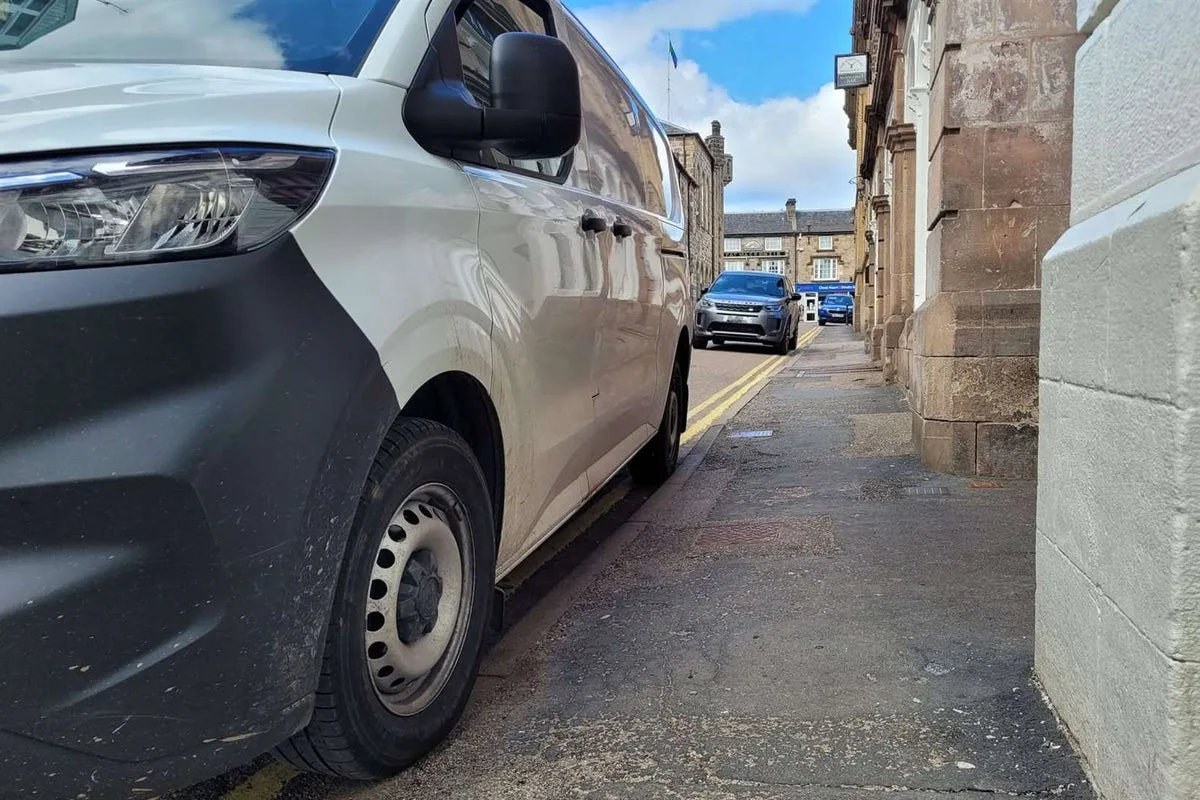
In a surprising twist, the remote town of Forres in the Scottish Highlands may be the only place in Britain where residents are actively demanding an increase in traffic wardens. This unusual plea comes after it was revealed that only two parking tickets have been issued in the area over the past three years, despite numerous reports of illegal parking causing significant disruption and safety concerns.

A Decade Without Dedicated Enforcement

The town has been without dedicated traffic wardens since 2013, when Moray Council eliminated those positions as part of cost-cutting measures. Responsibility for tackling illegal on-street parking subsequently shifted to Police Scotland. Officers possess the authority to fine drivers £100 for offences including pavement parking, double parking, or blocking dropped kerbs, with the penalty reduced to £50 if paid within 14 days.

However, a recent Freedom of Information request has uncovered that just two fines were issued between January 2023 and the present. Both of those penalties were handed out on Forres' High Street in 2025, with no illegally parked drivers receiving fines in either 2023 or 2024. Police Scotland confirmed they do not hold records prior to this period due to their record retention policy.

Wide Pickt banner — collaborative shopping lists app for Telegram, phone mockup with grocery list

Police Resources Stretched Thin

Moray's police inspector Neil Morrison attributed the low enforcement figures to staffing shortages and the need to prioritise more serious crimes. "Keeping people safe across Moray is our priority," he explained. "Financial constraints and significant increase in demand requires us to make hard choices. We ensure our focus and resources are aligned and committed to national and divisional priorities."

Inspector Morrison clarified that enforcement would be conducted in problematic areas, but daily dedicated patrols were not feasible. "Officers will respond to incidents and issue tickets as appropriate," he stated, while urging drivers to park responsibly and consider community needs.

Local Frustration Mounts

Moray Council leader Councillor Kathleen Robertson expressed understanding of the frustration felt by local residents and businesses. "Illegal parking creates unnecessary safety issues and impacts the flow of our town centre," she said. "While I appreciate the pressures facing Police Scotland regarding resources, individuals must also be more considerate by parking safely and legally."

She highlighted the town's abundant free parking options located just a short distance from the High Street, encouraging people to utilise these facilities to maintain accessibility and safety in the town centre.

Councillors Voice Concerns

Fellow councillor Scot Lawrence supported local concerns, noting that regular illegal parking can create perceptions of inconsistent rule application, undermining public confidence. "Many towns of a similar size simply do not have our level of free parking provision, so there's less need for short-stay parking on High Street," he observed.

Councillor Draeyk van der Horn expressed deeper concerns about the current enforcement approach. "I understand that Police Scotland have to prioritise limited resources, but issuing only two parking tickets in three years suggests illegal parking is effectively going unenforced in Forres town centre," he stated. "It can cause accidents, reduce visibility and contribute to congestion."

He believes the problem raises broader questions about road design and community behaviour. "People shouldn't need enforcement to act responsibly, but consistent lack of enforcement can normalise poor behaviour," he warned. Councillor van der Horn called for data collection on problem areas, a review of signage effectiveness, and potential increased local authority involvement in routine enforcement to relieve police pressure while improving consistency.

The situation in Forres highlights the complex balance between resource allocation, public safety, and community expectations in rural areas where traditional enforcement mechanisms have been withdrawn without adequate replacement.

Pickt after-article banner — collaborative shopping lists app with family illustration