One of the most striking pieces of journalism from the Ukraine war featured intercepted radio transmissions from Russian soldiers indicating an invasion in disarray, their conversations even interrupted by a hacker whistling “Dixie.” The work was carried out by an investigations unit at The New York Times that specialises in open-source reporting, using publicly available material like satellite images, mobile phone or security camera recordings, geolocation and other internet tools to tell stories.
The field is in its infancy but rapidly catching on. The Washington Post announced last month it was adding six people to its video forensics team, doubling its size. The University of California at Berkeley last autumn became the first college to offer an investigative reporting class focusing specifically on these techniques.
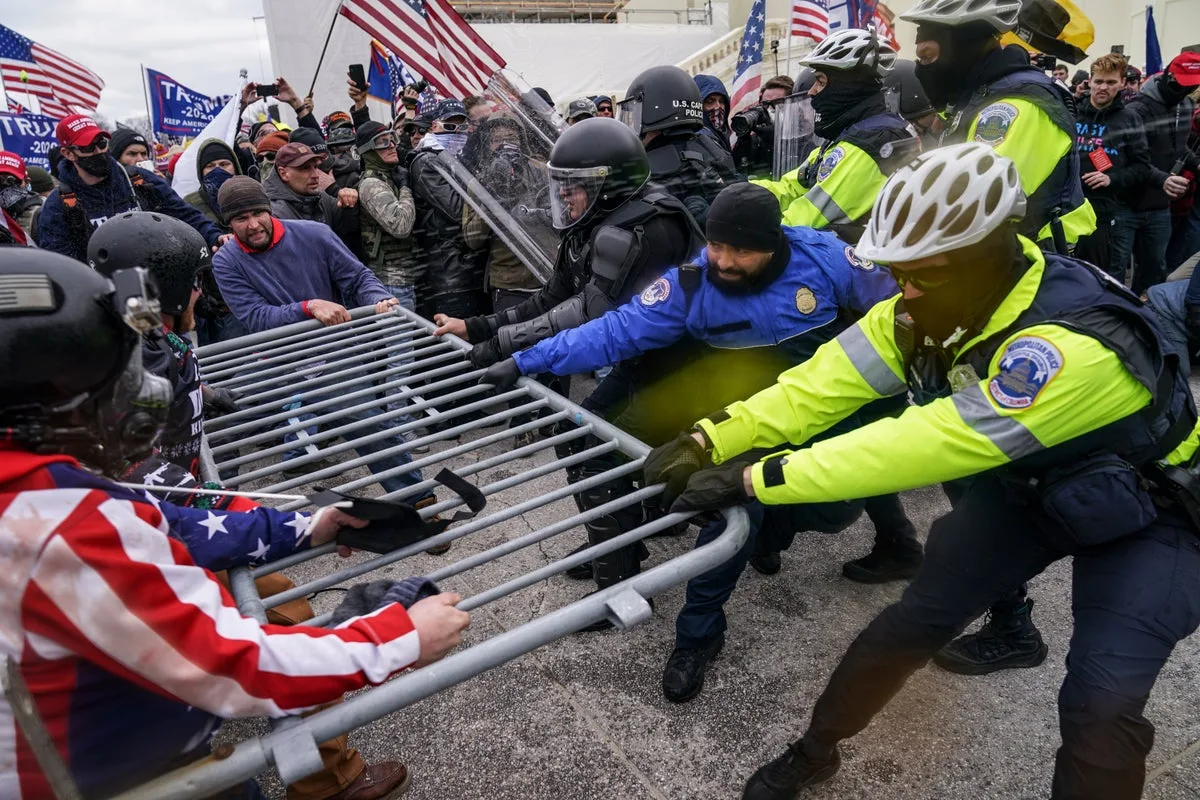
Two video reports from open-source teams — The Times' “Day of Rage” reconstruction of the January 6, 2021 Capitol riot and the Post's look at how a 2020 racial protest in Washington's Lafayette Square was cleared out — won duPont-Columbia awards for excellence in digital and broadcast journalism. The Ukraine radio transmissions, where soldiers complained about a lack of supplies and faulty equipment, were verified and brought to life with video and eyewitness reports from the town where they were operating. At one point, what appears to be a Ukrainian interloper breaks in. “Go home,” he advised in Russian. “It's better to be a deserter than fertilizer.”
The Times' visual investigations unit, begun in 2017 and now numbering 17 staff members, “is absolutely one of the most exciting areas of growth that we have,” said Joe Kahn, incoming executive editor. The work is meticulous. “Day of Rage” is composed mostly of video shot by protesters themselves, along with material from law enforcement and journalists. It outlines specifically how the attack began, who the ringleaders were and how people were killed.
Video sleuthing also contradicted an initial Pentagon story about an American drone strike that killed civilians in Afghanistan last year. “Looking to us for protection, they instead became some of the last victims in America's longest war,” the report said. “There's just this overwhelming amount of evidence out there on the open web that if you know how to turn over the rocks and uncover that information, you can connect the dots between all these factoids to arrive at the indisputable truth around an event,” said Malachy Browne, who leads the Times' team.
“Day of Rage” has been viewed nearly 7.3 million times on YouTube. A Post probe into the deaths at a 2021 Travis Scott concert in Houston has been seen more than 2 million times, and its story on George Floyd's last moments logged nearly 6.5 million views. The Post team is an outgrowth of efforts begun in 2019 to verify the authenticity of potentially newsworthy video. There are many ways to smoke out fakes, including examining shadows to determine if the apparent time of day in the video corresponds to when the activity supposedly captured actually took place.