Reform UK's flagship local authority has unveiled plans to raise council tax by almost 4%, a move that directly contradicts its election promises to cut taxes.
Breaking a Pledge
Kent County Council (KCC), which Reform UK seized control of in May after ending a 30-year Conservative majority, published its draft budget for 2026-27 on Thursday evening. The proposal includes a 3.99 per cent increase in council tax.
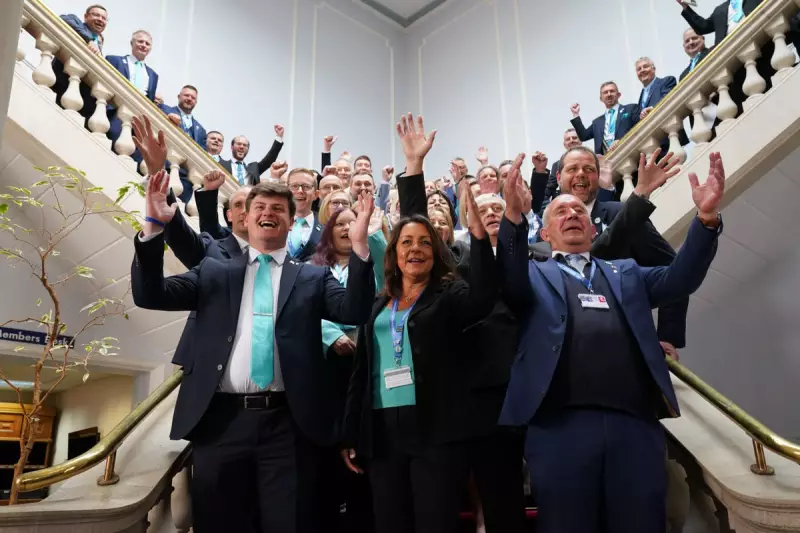
This decision comes despite clear election material from KCC Reform candidates that stated intentions to "Reduce waste and cut your taxes." The authority, where Reform holds 57 of the 81 seats, is seen as a critical test case for the party's governance.

A Growing Trend Among Reform Councils
The situation in Kent is not isolated. Just days earlier, Reform-led Staffordshire County Council also proposed a 3.99 per cent council tax hike in its budget. Furthermore, four other local authorities where Reform UK is the largest party—Derbyshire, North Northamptonshire, West Northamptonshire, and Leicestershire—have indicated they will implement the maximum allowed increase of 5 per cent.
For an average Band D household in Kent, the planned rise translates to an estimated extra £67.47 per year.
Financial Pressure and Political Fallout
KCC leader Linden Kemkaran defended the proposal, stating the council inherited a "very serious financial situation" with hundreds of millions in debt. She claimed the budget aims to "stabilise" finances "while protecting frontline services," with some services even receiving increased funding.
However, the opposition has reacted with fury. Liberal Democrat leader at KCC, Antony Hook, accused Reform of a "total betrayal" of election promises. He criticised the party for boasting about a rise just under 4% instead of 5%, a difference of merely 33p per week for an average family.
Conservative group leader Harry Rayner warned of a potential double financial blow, suggesting that raising tax by less than the 5% cap could lead the government to reduce its grant by an equivalent amount, effectively costing the council twice the savings.
The draft budget will be debated throughout January, with the final decision scheduled for a full council meeting on 12 February.