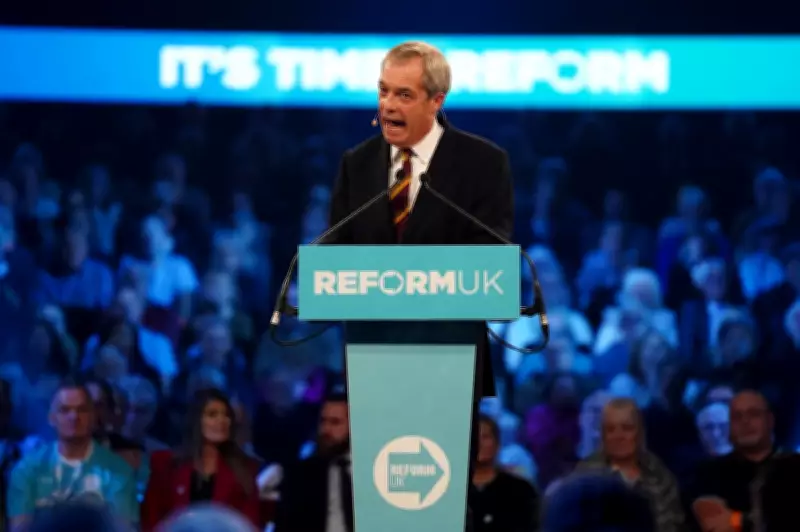
Reform-Led Council Implements 9% Tax Hike, Highest in England
Worcestershire County Council, under Reform UK leadership, has received special government permission to raise its council tax by up to 9 per cent, marking the highest increase in England. This decision comes despite the party's previous pledges to cut taxes, highlighting a significant shift in fiscal policy at the local level.
Financial Emergency Cited for Tax Rise
The council cited a 'financial emergency' as the primary reason for seeking this exceptional financial support. Rising demand and escalating costs in children's and adult social care services have placed immense pressure on the authority's budget, necessitating the tax hike to maintain essential services.
Worcestershire is one of only seven councils across the nation permitted to exceed the standard 5 per cent council tax cap. Other authorities, including Shropshire and North Somerset, have also been allowed a 9 per cent rise, reflecting broader financial strains in local government.

Political Fallout and Resignation
The decision has sparked criticism from local Conservatives, who argue it contradicts Reform UK's anti-tax stance. In a notable development, Reform councillor Daniel Taylor resigned from the party during a live BBC interview and will now serve as an independent. His departure underscores internal dissent over the council's budgetary moves.
In response to the financial challenges, the council recently established a 'Doge' cabinet role aimed at driving efficiency and cost-saving measures. An extraordinary meeting is scheduled to review the budget following the government's flexibility decision, with discussions likely to focus on balancing fiscal responsibility with service delivery.
This tax increase represents a stark departure from Reform UK's national rhetoric, led by figures like Nigel Farage, who have consistently advocated for lower taxes. The situation in Worcestershire illustrates the complex realities faced by local authorities grappling with funding shortfalls and rising operational costs.