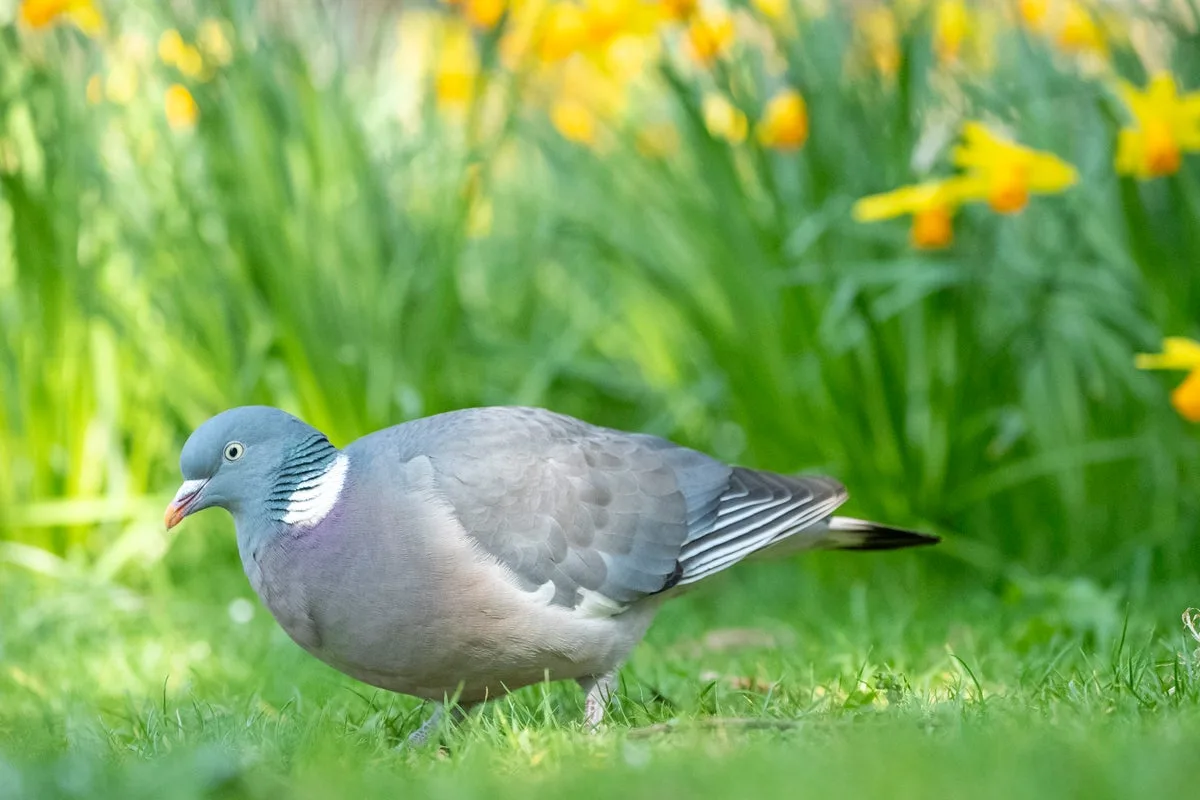
Norwich City Council is exploring the use of contraceptive-laced feed to control the pigeon population at Norwich Market, following complaints from traders and shoppers about nuisances and health risks. The measure would involve placing contraceptives in bird feeders mixed with grain to temporarily render pigeons infertile, offering a humane and non-lethal population control method, according to reports.
The proposal has divided residents, with some advocating for the birds' presence by feeding them. A City Hall meeting on Tuesday saw opposition from dozens of pigeon supporters, including one individual wearing a pigeon mask. The council resolved to ask the cabinet to consider introducing fixed penalty notices for persistent intentional feeding of pigeons, aiming to deter fouling and damage.
Similar contraceptive trials have succeeded elsewhere: Brussels reduced its pigeon population by 66% between 2019 and 2023, while a two-year trial in Malta saw a 30% drop. However, concerns have been raised that the contraceptives might affect other birds or spread through the environment via predators or bird waste.

Previously, the council attempted to deter pigeons using a hawk named Hazel in a four-week pilot, supported by councillor Carli Harper. Despite the effort, the hawk did not achieve lasting results. Jenny Coupland, an activist from Peck Savers, questioned the legality and efficacy of contraceptives, noting research by Flo Blackbourn of Humane Wildlife Solutions that states such methods are "not currently a licensed option in the UK."
A council spokesperson stated that they are exploring "a range of legal and humane ways of deterring the pigeons from our market" as part of wider plans to make it the best market in the UK and Europe.