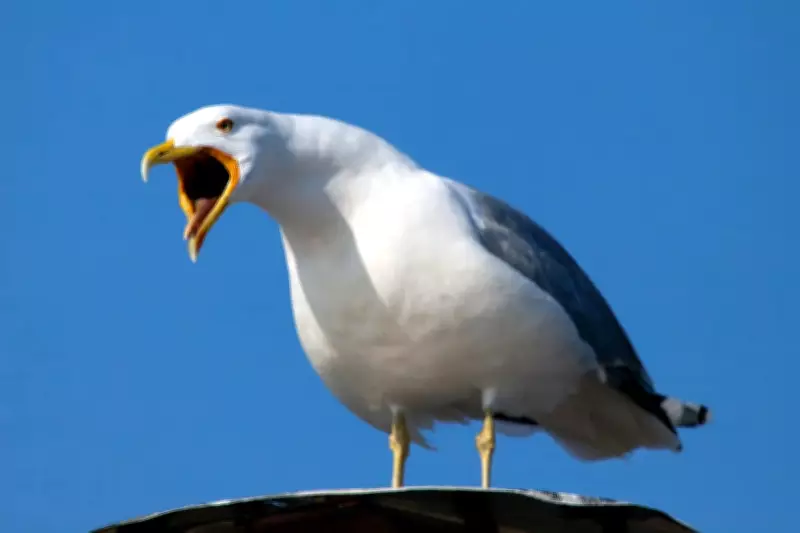
Inverness Declares War on Aggressive Seagulls Following Easter Egg Hunt Incidents
The Scottish city of Inverness has launched a concerted effort to tackle its worsening seagull problem after a series of alarming incidents during a recent Easter egg hunt. Highland Council is now rolling out a pilot programme specifically designed to manage the aggressive behaviour of gulls, which has escalated to include coordinated attacks on young children.
Easter Event Marred by Multiple Gull Attacks
During Inverness Business Improvement District's city centre Easter egg hunt held last Friday and Saturday, organisers witnessed 16 separate gull-related incidents. Bid ambassador Janice Worthing provided disturbing details to The Telegraph, describing "frequent and coordinated behaviour from adult gulls, watching for opportunities, calling others in, and repeatedly swooping at and, in some cases, striking members of the public, including young children."
Worthing emphasised the sudden and decisive nature of these attacks, noting that "gulls are really quick and can strike suddenly and decisively." The incidents have prompted urgent calls for residents and visitors to report all gull attacks through official channels.

Longstanding Urban Gull Problem
Aggressive gull behaviour has been a persistent issue in Inverness, where the River Ness meets the Moray Firth on Scotland's north east coast. The birds have successfully adapted to urban environments, using rooftops as nesting sites and scavenging food from litter and waste. While naturally part of the local environment, their presence creates significant problems including excessive noise, mess, and particularly aggressive behaviour during breeding seasons.
Inverness Bid already maintains a gull management strategy offering "proactive steps" for businesses, residents, and visitors to "reduce problems associated with gulls in the city centre." The organisation strongly advises against feeding the birds and emphasises proper rubbish disposal as crucial preventative measures.
New Data-Driven Management Approach
Highland Council's Inverness Gull Management Plan pilot project represents a significant escalation in the official response. Designed to "improve understanding of the gull population in and around Inverness and Nairn, and to identify the impacts gulls are having on our community," the initiative will feature a dedicated online portal for collecting "Gull Impact Data."
A council spokesperson clarified that while the authority "does not undertake gull control activities in public areas and has no statutory duty to do so," the new reporting system aims to identify specific locations where gull behaviour most affects communities. The collected data will help determine whether patterns or hotspots exist, and whether certain impacts are more prevalent, such as aggressive behaviour related to chick protection or food scavenging behaviours.
The spokesperson explained that "as different behaviours require different mitigation approaches, meaningful and reliable data will support a targeted and proportionate approach to advising on appropriate mitigation measures to reduce negative interactions between gulls and people."
Growing National Concern About Gull Threats
This local initiative follows increasing national concern about seagull aggression across Scotland. Last year, the Scottish Parliament heard warnings that a nationwide summit to tackle Scotland's seagull population must be convened before someone is seriously injured or killed. Former Scottish Conservative leader Douglas Ross argued during a Holyrood debate that the threat posed by "nuisance" gulls has escalated to a "deadly" level, with people's lives now at genuine risk.
In September of last year, the Scottish government announced £100,000 in funding for communities across the country "to tackle disruptive urban gull populations," indicating recognition of the problem at the highest levels of government. The Inverness pilot programme represents one of the most concrete responses to this growing urban wildlife challenge, combining data collection with practical management strategies to address what has become both a public nuisance and a genuine safety concern.