

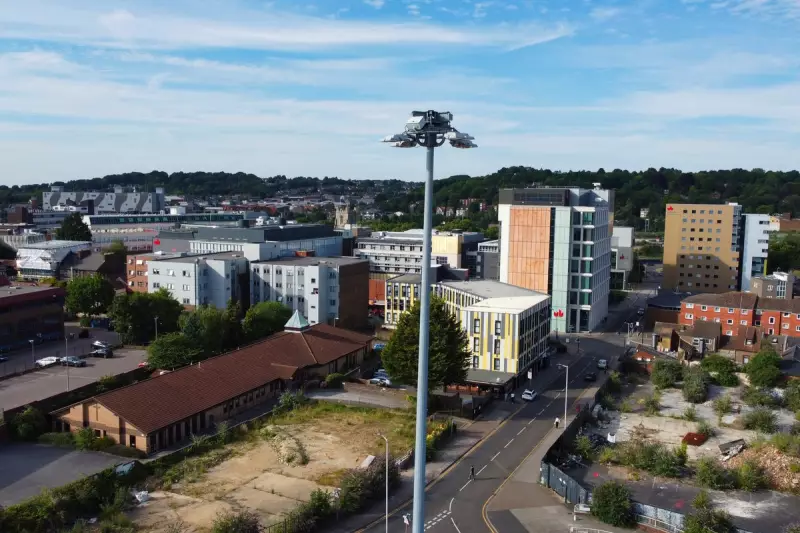
The government has unveiled its multi-year funding settlement for local authorities in England, detailing how a total of £78 billion will be distributed between now and the 2028/29 financial year. The new plans mark a significant shift, directing more resources towards the country's most deprived communities in a bid to restore "pride and opportunity" in areas that have been left behind.
Housing Minister Steve Reed announced the settlement on Friday 19 December 2025, framing it as a pivotal moment to turn the page on a decade of austerity cuts. The Ministry of Housing, Communities and Local Government (MHCLG) states that, on average, councils will see a 23 per cent increase in their core spending power by the end of the settlement period compared to 2024-25 levels.
The New 'Fair Funding' Formula in Action
This year's settlement is the first to use the government's new 'Fair Funding' formula, which gives greater weight to councils with higher deprivation scores. This change in methodology is the primary driver behind the redistribution of funds.

Outer London boroughs and major cities are among the biggest beneficiaries. Luton, Enfield, and Newham have received the largest spending increases, followed by core cities including Manchester, Birmingham, and Derby.
However, the redistribution creates clear losers. While most councils will receive at least a modest cash injection, 33 local authorities will see their spending power fall. The district council facing the steepest cut is Harborough in Leicestershire, which is set for a reduction of 15.8 per cent over the next three years.
Council Tax Rises and Special Permissions
Despite the overall increase in funding, financial pressures mean most councils are still likely to raise council tax by the maximum permitted amount without a referendum—4.99 per cent for upper-tier authorities with social care responsibilities.
In a notable exception, the government has granted six councils special permission to implement larger council tax hikes for two years without needing to hold a local referendum. These are: Kensington and Chelsea, Westminster, Wandsworth, Hammersmith and Fulham, the City of London, and Windsor and Maidenhead. These authorities are among those losing out under the new funding allocation but have historically levied very low council tax rates.
Mixed Reactions and Ongoing Challenges
The announcement has drawn a mixed response from local government leaders. The County Councils Network has criticised the model, accusing ministers of "cherry picking" and favouring London and metropolitan areas at the expense of county and rural regions.
Other council leaders have welcomed the multi-year certainty but warn that significant challenges remain. Critically, the settlement offers little detail on reforming key services like Special Educational Needs and Disabilities (SEND). The collective SEND deficit for English upper-tier councils is forecast to reach a staggering £14 billion by 2028.
With many councils struggling to meet their legal duty to be financially stable, the number seeking Exceptional Financial Support (EFS) from the government to avoid effective bankruptcy is expected to rise. While 30 councils received EFS last year, speculation suggests that figure could climb to 100 in 2026.
Councillor Louise Gittins, Chair of the Local Government Association, commented: "It is good that government has acted on LGA calls to provide multi-year financial certainty... However, an increase in overall funding remains needed to ensure the financial sustainability of councils and our local services."






