

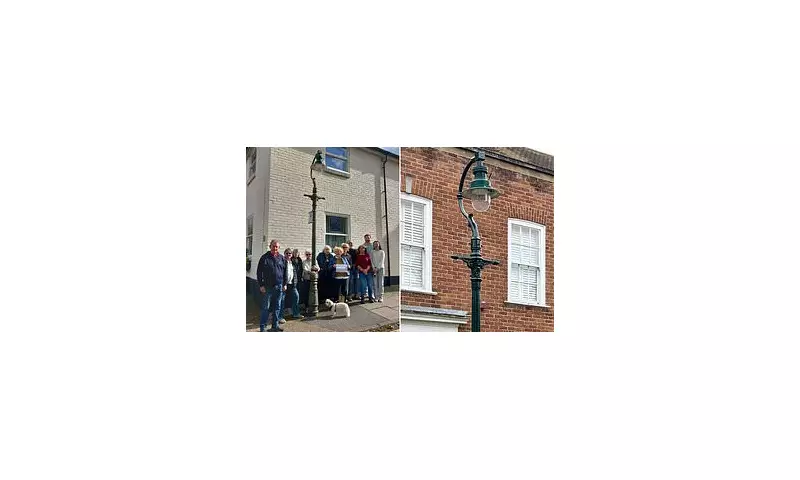
A fierce heritage battle is unfolding in the historic city of Canterbury, where plans to remove iconic Victorian cast iron lampposts have ignited strong local opposition. The proposal, advanced by the Reform-run Kent County Council, would see the historic fittings replaced with modern steel alternatives, a move branded as 'cultural vandalism' by campaigners.
A Tangible Link to Canterbury's Industrial Past
Canterbury, a UNESCO World Heritage Site and the city immortalised by Charles Dickens in David Copperfield, is home to around 270 of these distinctive lampposts. Many were cast locally at the HM Biggleston and Sons foundry, which operated from 1835 to 1963 and was a leading supplier of streetlight fittings across Britain and the world. Campaigners argue the columns are as integral to the city's story as its ancient walls and gates.
David Kemsley of the Alliance of Canterbury Residents Associations stated: 'These lamp columns are tangible links to a Canterbury firm whose craftsmanship literally helped light cities across the world. To replace them with mass-produced steel poles is cultural vandalism.' The Canterbury Society notes that replica columns were being installed and repaired as recently as three years ago.

Council Cites Safety and Cost, Critics See 'Grotesque Disfigurement'
Kent County Council, which came under Reform control in May last year, insists the decision stems from safety inspections conducted in August. A spokesman said the lampposts 'failed structural tests, confirming internal corrosion' and that 'public safety must come first'.
The council's proposed solution involves installing modern steel lampposts at a cost of about £168 each, adding a heritage-style decorative kit for a total of around £810. They argue this is more cost-effective than refurbishing the originals, which they claim would cost over £5,000 per column, plus tens of thousands to recreate moulds. The existing ornate lanterns would be reused.
However, critics have savaged the new designs. Ptolemy Dean, president of The Canterbury Society, labelled them 'clumsy and crude... banal and ugly... grotesque disfigurements'. A petition with over 750 signatures urges the council to reconsider, asking authorities to 'treat heritage street furniture as an asset rather than an inconvenience'.
A Clash of Values and Priorities
The controversy presents a political paradox. Reform UK's manifesto pledges to 'stand up for British culture, identity and values', yet its local administration is overseeing a plan opposed by heritage defenders. The Canterbury Society contends the historic posts could be preserved with regular repainting by Canterbury City Council.
As the council stands firm, the fate of these Victorian relics hangs in the balance. The dispute underscores a wider tension between preserving tangible history and managing modern budgetary and safety constraints in one of England's most cherished cathedral cities.






