
UK ministers have launched a concerted lobbying effort to prevent a backlash from the Trump administration over the under-16s social media ban announced by Prime Minister Keir Starmer. Officials said they spent weeks trying to reassure senior Trump officials and the US president that the restrictions are not specifically aimed at US technology companies.
Background of the Ban
The ban covers platforms including X, Facebook, YouTube, Snapchat and TikTok, making the UK one of the first countries globally to impose sweeping limits on social media for children, following Australia's earlier move this year. However, British officials are wary of retaliation from Trump, whom Starmer will meet at the G7 summit in Évian-les-Bains this week. Trump previously threatened the UK with “a big tariff” if the government did not drop its digital services tax.
Lobbying Strategy
One person involved in the effort said ministers adopted a three-pronged approach: “engage the companies, pre-brief the administration and mythbust in the media.” They added, “This is about protecting children in Britain, not taking on US tech.” Asked about the risk of a fresh row with Washington, Starmer said, “I honestly think that across world leaders there has always been a recognition that leaders have to take steps to protect children.” He noted that he spoke to Trump on Saturday and would discuss the issue further.
By Monday evening, Trump had not commented on the plans. However, his ally Elon Musk, owner of X, posted: “This censorship law is a wolf in sheep’s clothing. The real goal is to enable the UK government to track everyone.”
Scope of Restrictions
The UK plans go further than Australia's. In addition to age limits, the government will prevent under-16s from livestreaming, ban adults from unsolicited contact with children on gaming sites, and prohibit under-18s from engaging with “romantic” chatbots. Certain services like YouTube Kids, Lego Play and Google Classroom are excluded. Further limits, including late-night social media curfews for 16- and 17-year-olds, are expected next month.
Officials suggested additional regulations for virtual private networks (VPNs) that allow users to bypass geographical controls. Daniel Berntsson, CEO of Mullvad VPN, said the government might require VPN companies to demand identification for age verification.
Impact on Young People
The move could significantly affect young lives. Among 13- to 15-year-olds, nine out of ten have social media accounts and rely on YouTube, TikTok, Facebook and Instagram for news. Starmer stated, “Social media is making children unhappy, it’s making it easier for bullies to harass and abuse them, and it could even be harming their mental health.” The prime minister once opposed such a ban but was persuaded by evidence from a 12-week government consultation.
He denied rushing the announcement to cement his legacy amid potential ousting. Technology Secretary Liz Kendall acknowledged many teenagers would circumvent the ban but said it would prompt a culture change. “I have no doubt children will try and get around the ban, and many will succeed. But we need to draw this line in the sand, give greater clarity to parents and greater protections for children,” she told the BBC.
Reactions and Enforcement
The ban was welcomed by the Conservatives, Labour backbenchers, and campaign groups. Esther Ghey, mother of murdered teenager Brianna Ghey, said it could “save so many children’s lives.” However, some experts expressed scepticism, including a government-convened panel that found social media’s impact “nuanced” with benefits for teenagers. Major tech companies warned the ban could push teens toward more dangerous parts of the internet, but they are not expected to take legal action.
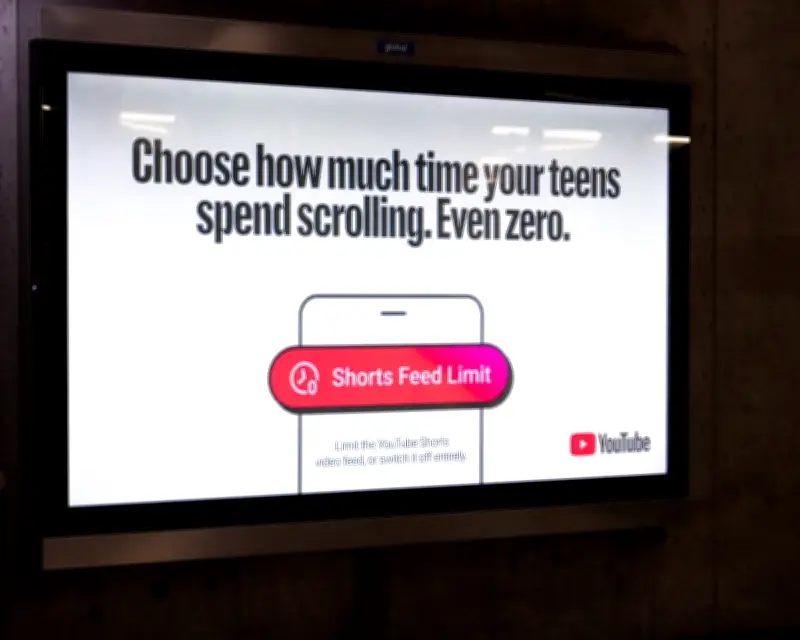
A Meta spokesperson said, “As we’ve seen in Australia, bans risk isolating teens from online communities and information, and driving them to unregulated alternatives.” YouTube added, “Blanket bans push kids out of curated, supervised experiences towards anonymous, less-safe services.”
Ministers have asked media regulator Ofcom to propose enforcement details, including written identification, account longevity, and facial recognition tools. Ofcom will report in autumn, with Kendall aiming for a ban “as early as possible … first couple of months of 2027.”




