
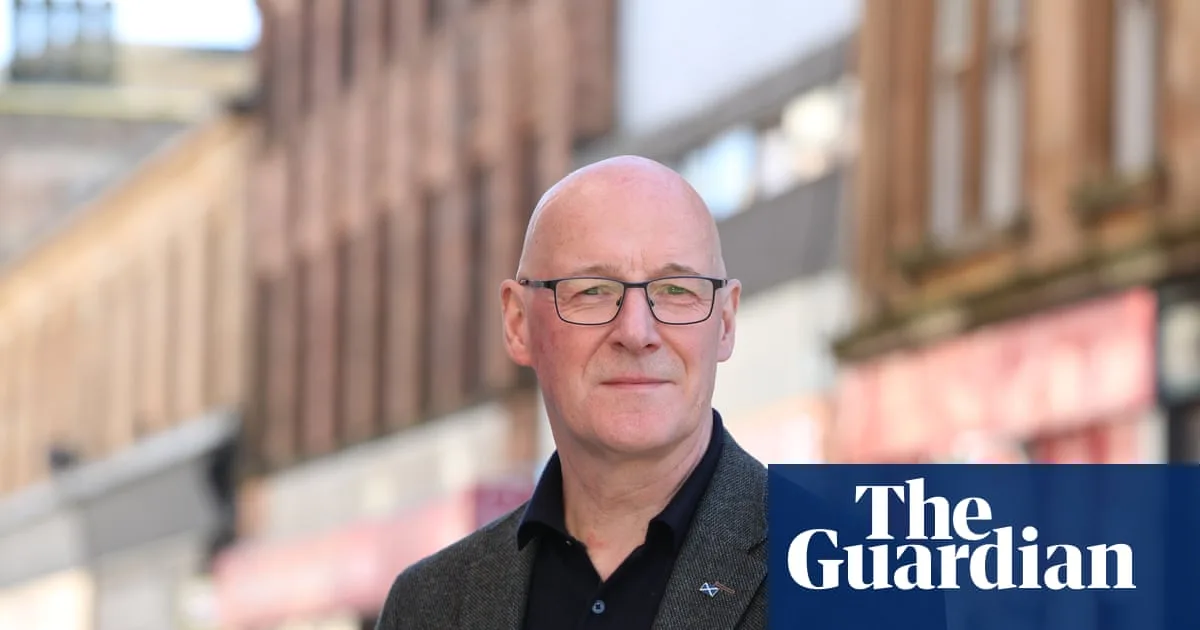
John Swinney will seek approval for a second Scottish independence referendum on the first day of the next Scottish parliament, even if the Scottish National Party fails to win an overall majority, his senior aide has confirmed.
The SNP leader’s most senior policy adviser told reporters that the vote would proceed under a minority government, stating: “You continue to pursue your agenda to the maximum amount, as all governments do.” This marks a shift from Swinney’s previous insistence that an overall majority was a “clear and unambiguous” precondition for such a move.
A strategy document published on Monday, outlining the SNP’s first 100 days in government, said the party would “bring forward” a vote on independence referendum powers on the parliament’s first sitting day if it takes power, without specifying a majority requirement. Swinney refused to clarify whether the vote would occur without a majority, but his aide confirmed it would.
The first 100 days document also stated the SNP would publish a draft referendum bill with the same yes-or-no question as the 2014 vote. However, such a bill would have no legal standing, as the UK government retains sole authority over referendums. The Supreme Court ruled in 2022 that only Westminster can legislate for an independence referendum, a decision that led to Nicola Sturgeon’s resignation. The UK government has repeatedly refused to approve a second referendum.
Swinney declined to say whether he would pursue legal action to force the UK government to delegate powers if Holyrood votes in favour. He described a majority as “an incredibly strong foundational argument” but did not commit to litigation. Scottish Conservative leader Russell Findlay criticised the plan, accusing Swinney of ignoring the cost of living crisis, jobs, education and the NHS to push “constitutional chaos.”




