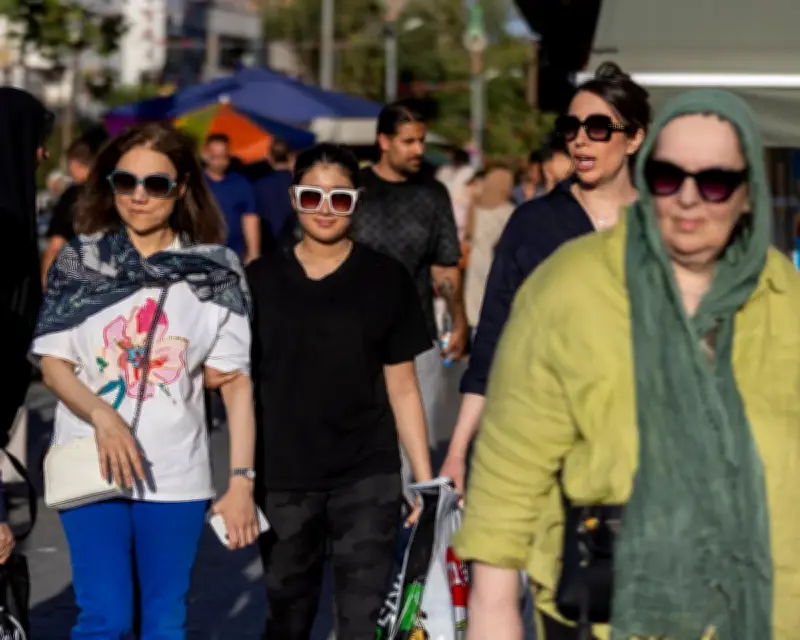
In the rural town of Sirik, in southern Iran, temperatures have climbed to 45C (113F) over the past week, and residents have been queueing to fill buckets of water days after US strikes reportedly damaged two drinking water facilities serving nearby villages. Amid the water shortages and the looming fear of war came news of a possible deal between Washington and Tehran. But for those struggling to pick up the pieces in the aftermath, the announcement brought little relief.
Water Crisis and Fear
Nahid, a mother in Sirik, described how villagers were queueing for water in the punishing heat, worried the shortages could last far longer. Although the water supply was restored after 12 hours, the amount reaching households remained nowhere near enough for drinking and daily chores. 'My four-year-old woke up crying from dehydration and pain between her legs caused by chafing and the lack of water for basic hygiene,' she said. As the sole earner of her family, Nahid fears for her daughter's health and future.
Mixed Reactions to the Deal
Alborz, a 36-year-old writer in Tehran, said the situation left many feeling as though the world was being run 'by all the mad men.' He described three groups: those tied to the regime, those tied to the former royal family, and a growing third group that despises both. For hardliners, the prospect of a deal with the 'enemy' has caused anger. Mina, a screenwriter, said, 'Everyone is angry right now, but we are all angry for different things.' She expressed anger at what she described as an international double standard over Iranian deaths.
Exhaustion and Uncertainty
Shaghayegh, 24, who was injured during the Woman, Life, Freedom protests, said bluntly: 'Everything stopped making sense since 2022.' She doubts the war is anywhere close to the end. As scepticism deepens, a shared sense of exhaustion and anger that nothing has really changed runs through many conversations. Alborz noted the agreement remains fragile, predicting that 'anything could happen in the next month.'