
Labour MP Lauren Edwards is reigniting the assisted dying debate, stating that restoring faith in democratic processes is a key motivation. She expressed disappointment and frustration after the previous Bill ran out of time in the House of Lords earlier this year.
New Bill Introduced
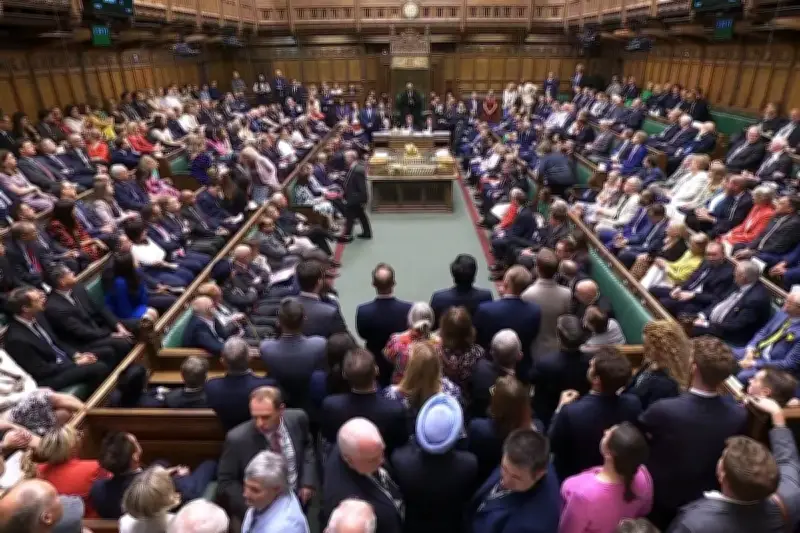
On Wednesday, Edwards will reintroduce the Terminally Ill Adults (End of Life) Bill in the House of Commons and announce a date for its next debate and vote, expected in September. The Bill, originally brought by Labour MP Kim Leadbeater in 2024, passed two Commons votes but stalled in the Lords due to over 1,200 amendments, many tabled by seven peers.
Edwards described the Bill as “very good, world-leading, robust legislation” and criticized the Lords for filibustering. She emphasized her commitment to ensuring dignity and choice for terminally ill people, despite expecting pushback from opponents.
Parliamentary Process
The Bill proposes allowing adults in England and Wales with fewer than six months to live to apply for an assisted death, subject to approval by two doctors and an expert panel. Edwards hopes MPs will support the Bill to respect the will of the Commons and allow it to proceed through normal Lords scrutiny.
She noted that while polling shows assisted dying is a priority for only 7% of people, it remains crucial for terminally ill individuals and their families. Edwards is prepared for a year-long dedication to the project, with an implementation period of up to four years once the Bill becomes law.
Support and Opposition
Dame Esther Rantzen, a leading campaigner, expressed gratitude to Edwards for taking up the Bill. However, opponents like Labour MP Ashley Dalton argue the Bill would give unchecked powers to future governments and is not safe or a priority.
Edwards mentioned the possibility of using the Parliament Act if the Lords block the Bill again, but stressed that peers should complete their unfinished business in the normal way. Downing Street reiterated the Government's neutral stance, emphasizing high-quality end-of-life care.
Key figures involved include MPs, the House of Lords, and campaigners like Dame Esther Rantzen.




