
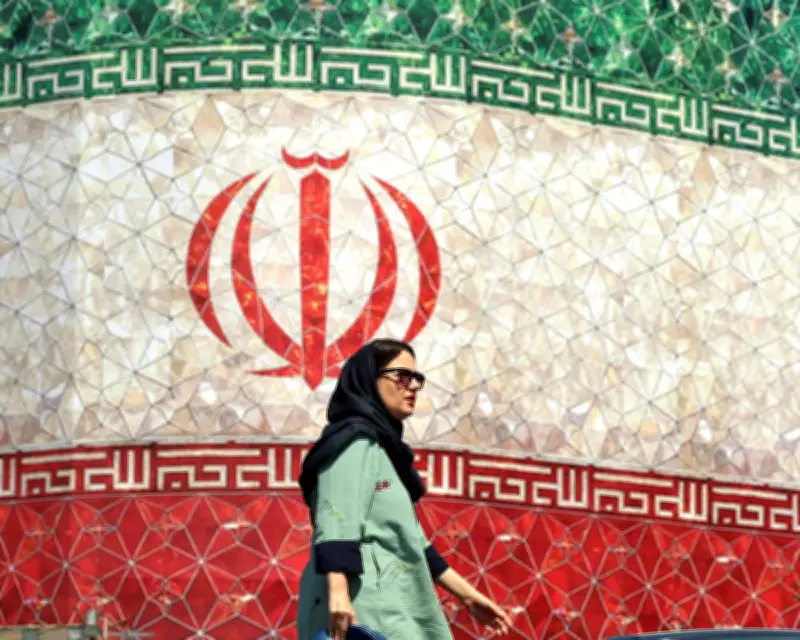
Iranian hardliners have launched a vociferous push to reject a proposed peace deal with the United States, intensifying political divisions in Tehran. The agreement, which has been under negotiation for months, aims to curb Iran's nuclear program in exchange for sanctions relief.
Hardliner Opposition
Conservative factions within Iran's political establishment argue that the deal undermines the country's sovereignty and betrays the principles of the Islamic Revolution. They have organized rallies and media campaigns to sway public opinion against the agreement.
Key Objections
- Critics claim the deal imposes excessive restrictions on Iran's nuclear activities.
- They oppose any form of cooperation with the US, which they view as an adversary.
- Hardliners fear the agreement could weaken Iran's regional influence.
The pushback comes as moderate factions, including President Hassan Rouhani's administration, seek to finalize the deal to revive Iran's struggling economy. The debate has created a deep rift in Iranian politics, with both sides accusing each other of compromising national interests.
International Reactions
The United States has expressed willingness to finalize the agreement, but the internal opposition in Iran complicates the process. European mediators have urged Tehran to proceed with the deal, warning that failure could lead to increased tensions in the region.
The outcome of this internal struggle will have significant implications for Iran's future relations with the West and the stability of the Middle East.




