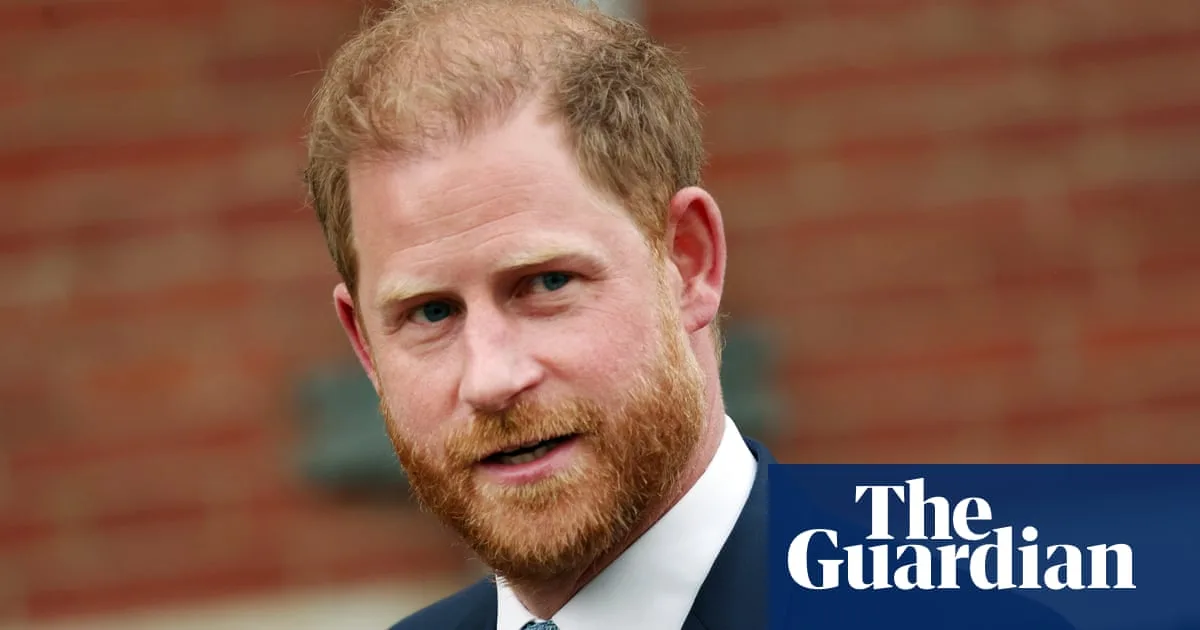
The Duke of Sussex is awaiting a pivotal decision from the UK Home Office that could see his taxpayer-funded police protection reinstated when he visits Britain. A fresh threat assessment for Prince Harry and Meghan Markle has been ordered, with a ruling expected in the coming weeks.
The Long-Running Security Battle
Prince Harry was stripped of his automatic right to police protection in the UK after he and Meghan stepped back as senior working royals in 2020. The Executive Committee for the Protection of Royalty and Public Figures (Ravec) decided at that time that his security arrangements should change. For the past five years, his protection has been assessed on a strict "case-by-case" basis, requiring advance notice of his travel plans.
The Duke has consistently fought this decision through the courts, arguing it is "not safe" to bring his wife and children, Archie and Lilibet, to the UK without proper security. He lost a High Court appeal in May last year, after which he gave a revealing interview to the BBC. In it, he claimed the security issue was a barrier to speaking with his father, the King, and stated he "can't see a world" in which he would bring his family to Britain under the current arrangements.
A Potential Turning Point
The situation took a new turn in September last year following the appointment of Shabana Mahmood as Home Secretary. Prince Harry wrote to her, submitting a formal request for a new risk assessment to Ravec. This has led to the first comprehensive threat review for the Sussexes since 2020.
A friend of the couple has suggested that a favourable ruling would "change everything", potentially allowing for more frequent visits and paving the way for a reconciliation within the Royal Family. It would mean Harry and his family could travel to the UK more freely without the current bureaucratic hurdles.
Controversy and Competing Views
The prospect of reinstating automatic, state-funded security for the Sussexes is deeply contentious. Critics argue it would create a "half in, half out" royal status, granting the perks of protection without the duties of public service. Royal commentator Richard Eden highlighted the potential for public outrage, noting the couple's significant personal wealth—exemplified by Harry's £1.1 million donation to Children in Need last September—while taxpayers would foot a security bill likely to run into hundreds of thousands of pounds.
Conversely, former BBC royal correspondent Jennie Bond has defended Harry's request. She points out that former prime ministers receive state protection and argues that the son of the King deserves the same consideration. Bond told the i Paper that Harry cannot change his birthright and is merely asking for police protection on occasional visits, which she does not deem unreasonable.
The Home Office's impending decision next month will therefore have significant ramifications, affecting not only the Sussexes' ability to travel but also the public debate over the funding of royal security and the definition of public service.




