
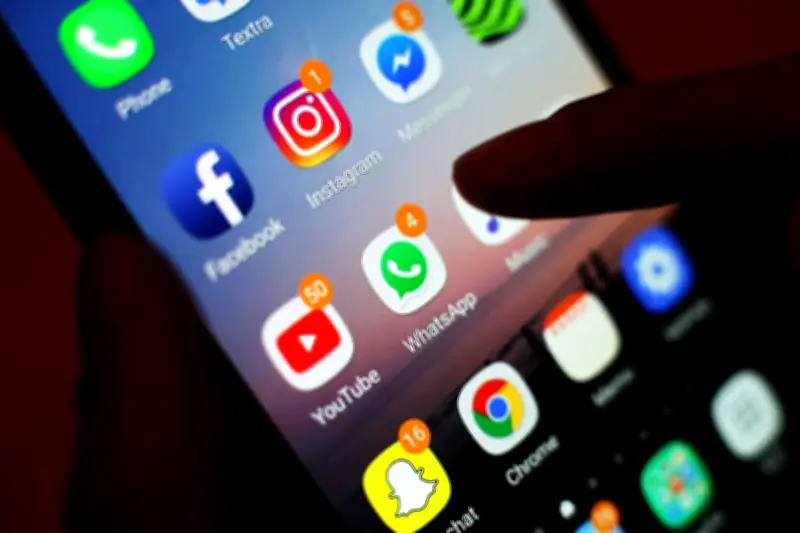
The Online Safety Minister has stated that the dark web is not an "inevitable" destination for teenagers following the United Kingdom's decision to prohibit social media access for individuals under the age of 16. Since Prime Minister Sir Keir Starmer announced the ban on Monday, concerns have emerged regarding young people potentially seeking dangerous alternative methods to access social media and the internet.
Minister's Assurance on Platform Risks
Kanishka Narayan, the Minister for AI and Online Safety, addressed these concerns in an interview with The Standard. He emphasized the government's focus on existing liabilities and responsibilities of all platforms, particularly those deemed risky. "They will continue to apply, and we want the regulator to be tougher and quicker in stamping those out," Narayan said. He dismissed the notion that young people would inevitably migrate to riskier platforms, stating, "There is no inevitable risk that young people are going to somehow move on to riskier platforms. We want to prevent that from happening."
Scope of the Ban and Age Verification
As part of the comprehensive reforms, children under 16 will be barred from social media platforms such as Instagram, TikTok, Facebook, and Snapchat. Current Ofcom data reveals that approximately 44% of children aged 3 to 17 have a TikTok account, while only 31% report having no social media presence. Narayan explained that the ban was a response to the "intense scale of harm" on social media, including cyberbullying, encouragement of self-harm, child abuse, and the negative impact of screen time.
The UK's ban is expected to be "tougher" and to "go further" than Australia's similar measure, according to Narayan, who recently returned from a four-day trip to Australia. While there are many similarities, Narayan stated that age checks in the UK would be more stringent, and the department would also examine harmful features on gaming platforms. Notably, popular gaming platforms like Roblox are not currently included in the ban.
Individual platforms will determine their own age verification methods, but Narayan insisted that checks must be "highly effective." In some cases, existing data may be used, while other platforms might employ facial recognition technology similar to services like Apple Pay. The independent regulator will ensure compliance across all platforms.
Addressing Concerns About Loneliness and Creators
Some in the UK have expressed worries that the social media ban could exacerbate the loneliness epidemic among teenagers. Narayan stressed that the internet itself is not being banned, so young people will still have access to online services, music streaming, and news websites. The government is also investing £500 million to support opportunities in art, culture, music, and wider youth support.
However, the minister acknowledged that the ban would have "downsides." For young online creators who have built careers on social media, he offered reassurance: "The thing I'd say to them is we would love to support you through the experience of growing up into a context where you can use those skills and those capabilities later in life as well. I, of course, am sorry to see anyone lose what they currently really value, but I hope the overall argument that we've made about the scale of damage for young people is convincing and assuring."
The ban is not expected to come into force until early 2027.




